







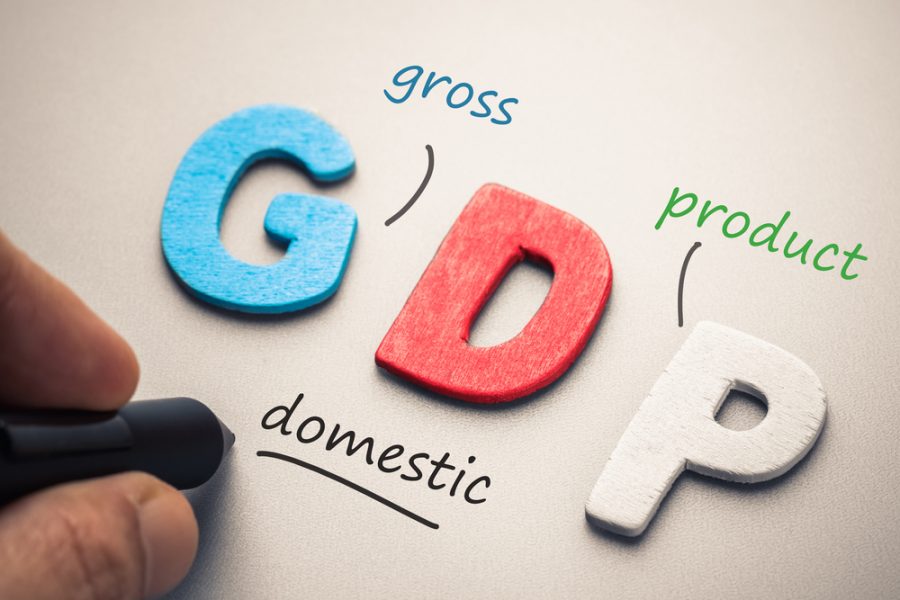



Nigeria’s economy grew at an impressive 2.01 per cent in the first quarter of 2019 according to data from the National Bureau of Statistics.
Compared to the first quarter of 2018, which recorded real GDP growth rate of 1.89%, the first quarter 2019 growth rate represented an increase of 0.12% points, with members of the Federal Executive Council expressing their delight that the 2019 elections did not affect economic stability.
“The council is also pleased to note that there are improvements in other economic indicators such as the inflation rate, which tend to have high inflation during an election period, but it has been stable. Our external reserves and our trade balance has also remained healthy over the period which our exchange rate to the dollar has also been stable, said the minister of Budget and National Planning, Udoma Udoma.
“So notwithstanding the elections, there has been stability. The council believes that the dividend arising from the peaceful elections and the re-elections of President Muhammadu Buhari will lead to a further boost in economic growth. The nation should therefore expect faster growth rate as the incoming cabinet continues to intensify work on the implementation of the economic recovery and growth plan.”
Udoma said, the council also noted that “This growth reflects the strongest first quarter performance in GDP since 2015. The first quarter is always the weakest in terms of growth. The federal executive council is most encouraged by the fact that growth continues to be driven by the non-oil sector which affects most of our population. Also agriculture grew by 3.17% and this represents the strongest growth in agriculture since the fourth quarter in 2017.”
“Council is pleased to note that in the next level, the President is committed to further work on initiatives to among other things protect Nigeria from vulnerability to any external shocks, reverse the contraction in the oil sector and stimulate faster growth in agriculture and manufacturing. In short, under the next level agenda, even more initiatives will be rolled out to ensure that growth is faster and even more inclusive as well as job creating.
“So council believes we are still on target to achieve three percent growth rate which is our target this year, he said.

Author





Leave a comment