













A new long-lasting and heat-resistant drug that helps prevent potentially fatal bleeding in women after they give birth could “revolutionize the ability” to save the lives of many new mothers and babies, according to the World Health Organization.
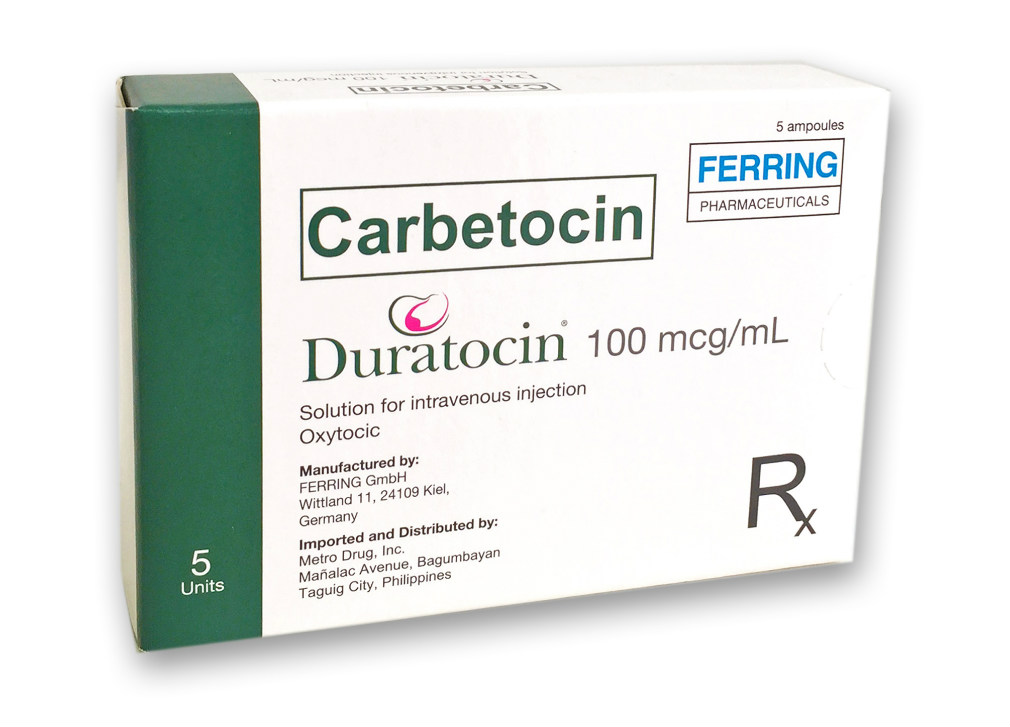
The medicine, called heat-stable carbetocin, remains effective for 1,000 days and can withstand extreme heat. Hot, humid conditions in many countries can reduce the effectiveness of existing drugs, BBC News reported.
Each year, about 70,000 women worldwide die due to severe bleeding after childbirth, which also increases the risk of babies dying in their first month of life. Currently, the WHO recommends an injection of oxytocin be offered to all women giving birth vaginally.
But oxytocin should be stored at low temperatures, which may not be possible in some countries.
A new study of nearly 30,000 women in 10 countries found that injections of either heat-stable carbetocin or oxytocin immediately after birth were equally effective at preventing excessive bleeding, BBC News reported.
The findings were published in the New England Journal of Medicine.
Heat-stable carbetocin may be available in some countries as early as next year, WHO experts said.
Author










Leave a comment