





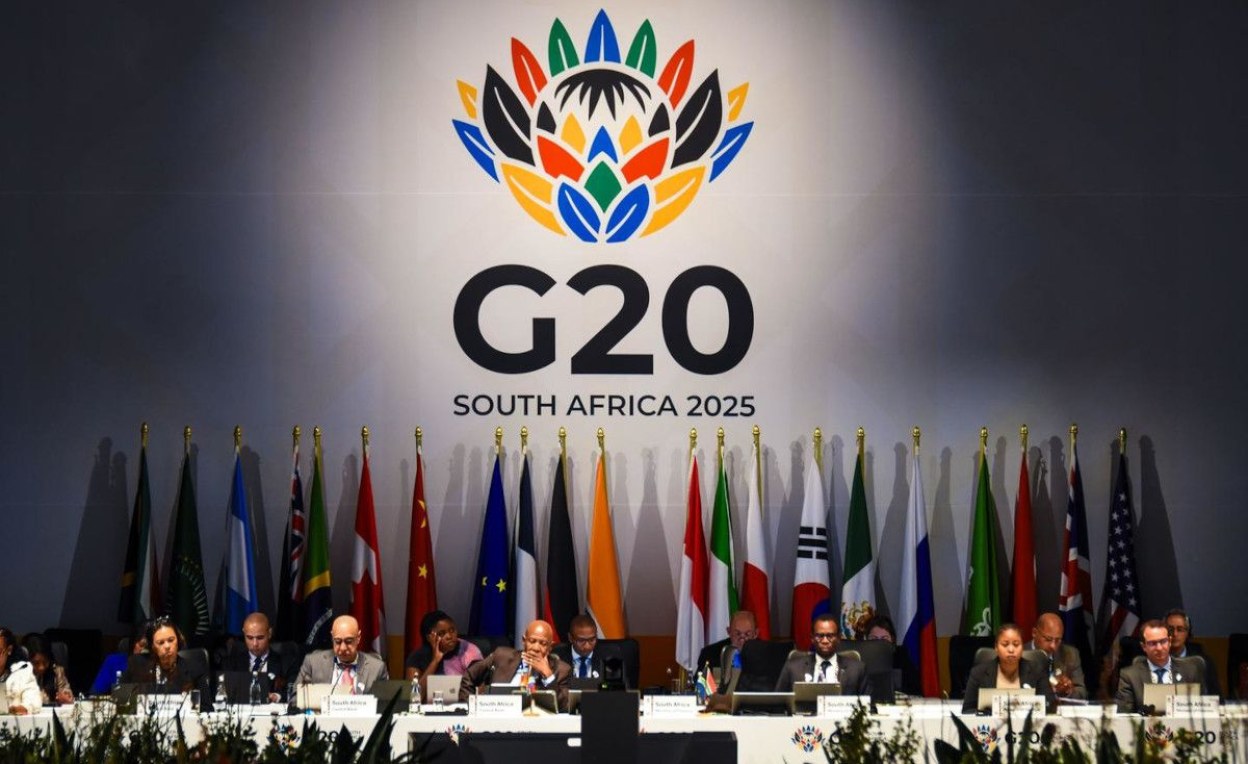



Leaders from the world’s 20 largest economies are set to converge in Johannesburg, South Africa, from November 22 to November 23 for the G20 summit, marking a historic first for the African continent.
This gathering is expected to draw attention to Africa’s growing influence in global affairs, with South Africa championing the theme “Solidarity, Equality, Sustainability”.
The G20, established in 1999, represents 85% of global GDP and two-thirds of the world’s population, comprising 19 countries and two regional bodies, the European Union and the African Union.
As the only African member, South Africa aims to prioritize key issues, including strengthening disaster resilience, debt sustainability, financing a just energy transition, and harnessing critical minerals for inclusive growth.
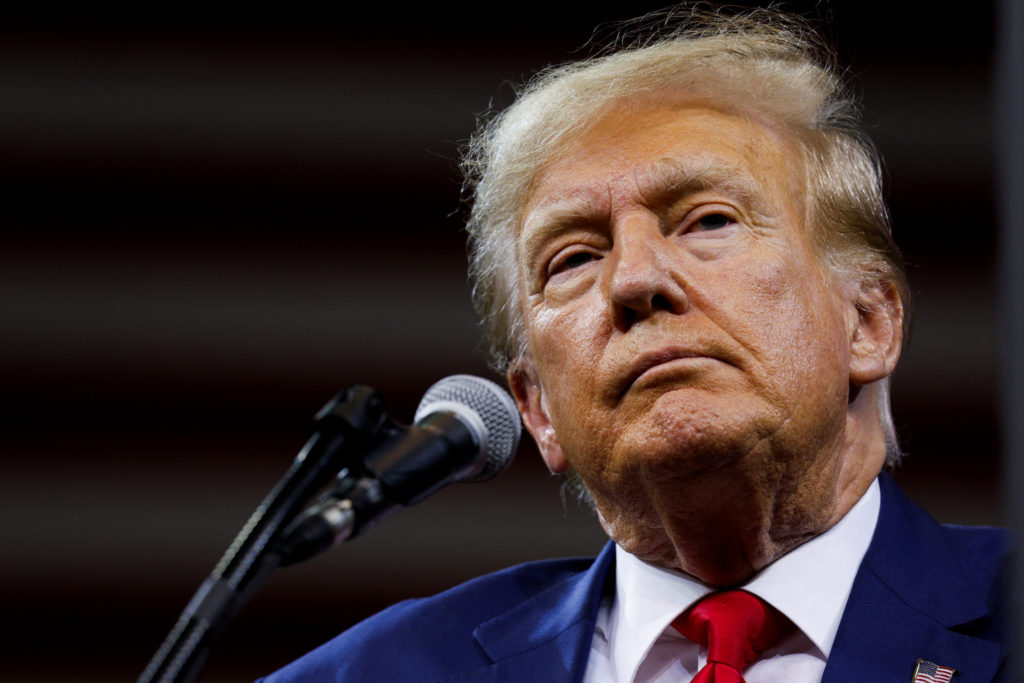
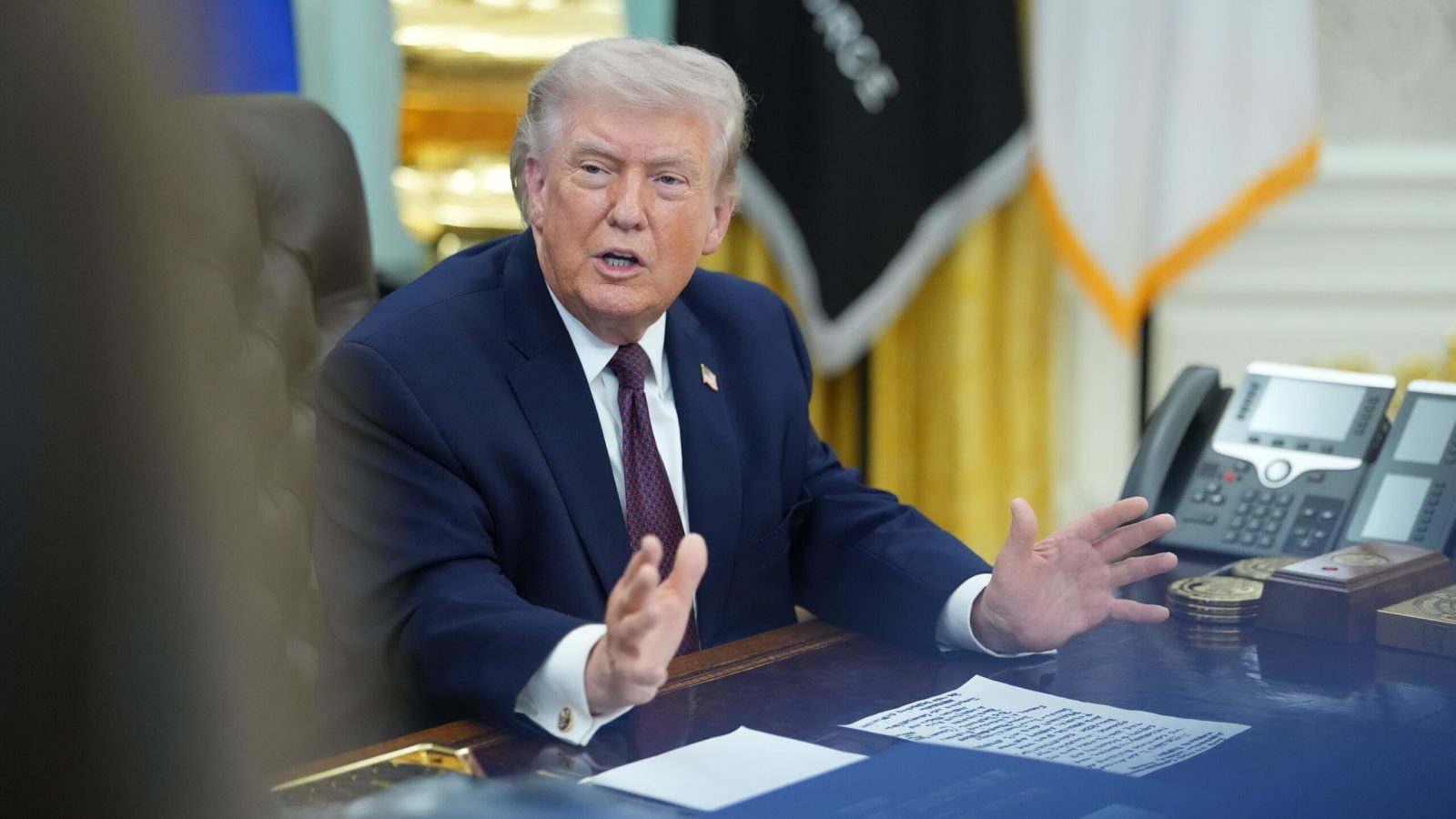
However, the summit faces a significant challenge with the announced boycott by the United States, led by President Donald Trump, who criticized South Africa’s presidency as a “total disgrace”.
Argentina’s President Javier Milei, a Trump ally, will also skip the event, sending his foreign minister instead. Despite this, South Africa remains optimistic, viewing the absence as Washington’s loss.
The summit will be hosted at Johannesburg’s Nasrec Expo Centre, a symbol of post-apartheid spatial integration, adjacent to the 2010 FIFA World Cup stadium.
The event highlights Johannesburg’s complex reality, with its rich financial district juxtaposed against crumbling infrastructure and inequality.
President Cyril Ramaphosa has pushed for urban improvements, with the African Development Bank approving a $139 million loan for upgrades.
South Africa’s presidency concludes a cycle of “Global South” leadership, following Brazil, India, and Indonesia, with the US taking over next.
Trump’s plans to scale back the G20 have raised concerns about its future, questioning South Africa’s membership.
Author







Leave a comment