











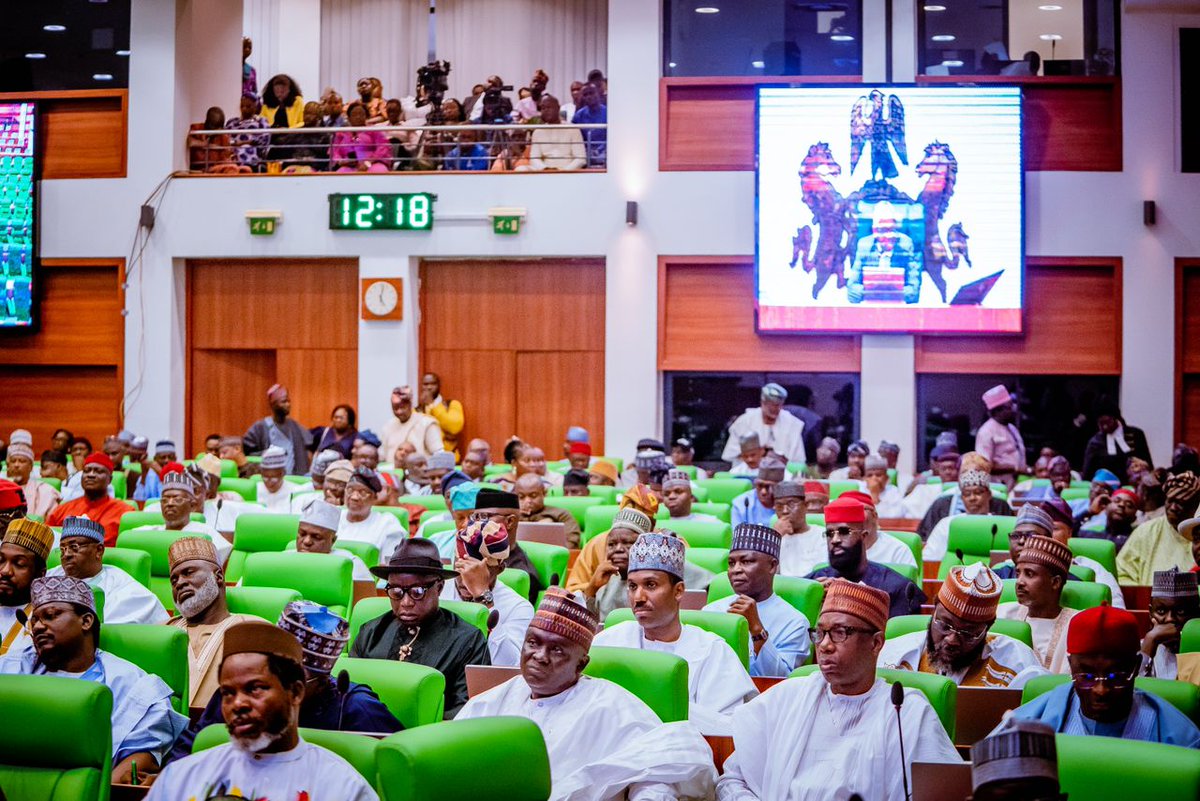




Nigeria’s electoral calendar is set for a major change as the National Assembly is proposing to hold the 2027 presidential and governorship elections in November 2026—a full six months before the current administration’s tenure ends.
This proposal is part of the Electoral Act (Amendment) Bill 2025 and is intended to ensure all election litigations are fully concluded before the May 29, 2027, swearing-in date.
This move would finally end the tradition of court cases dragging on into a new government’s term.
Persecondnews reports that the draft amendment was unveiled on Monday during a public hearing in Abuja, organized jointly by the Senate and House Committees on Electoral Matters.
Specifically, the bill mandates that presidential and gubernatorial polls be held no later than 185 days before the expiration of the incumbents’ tenure, which calculates to a November 2026 date, three months earlier than the traditional February or March window.
Section 4(7) of the draft reads: “Elections into the office of the President and Governor of a State shall be held not later than 185 days before the expiration of the term of office of the last holder of the office.”
A similar provision, Section 4(5), applies to elections into the National and State Assemblies, ensuring a harmonised electoral schedule across the federation.
Chairman of the House Committee on Electoral Matters, Rep. Adebayo Balogun, explained that the reform is targeted at ensuring all disputes arising from the polls are settled before the winners take office.
“We are proposing that all tribunal judgments be concluded within 90 days, appeals within 60 days, and Supreme Court decisions within the remaining days, ensuring everything is wrapped up within 185 days,” he said.
To support the reform, the National Assembly will also amend Sections 285 and 139 of the 1999 Constitution, which currently govern election dispute timelines.
The lawmakers are also seeking to modernise Nigeria’s voting system through mandatory electronic voting and electronic transmission of results, a long-standing demand from electoral stakeholders.
Section 60(5) of the draft bill provides that: “The Presiding Officer shall transmit the results, including total number of accredited voters, to the next level of collation both electronically and manually.”
Failure to comply would attract stiff sanctions, including one year’s imprisonment, a ₦1 million fine, or both, for any official who issues unstamped or unverified ballot papers or result sheets.
A novel feature of the bill is the introduction of early voting, which allows security personnel, INEC staff, accredited observers, journalists, and ad-hoc officials to cast their ballots up to 14 days before election day.
This, according to the joint committee, will ensure that those on essential election duties do not lose their right to vote.
The proposals received strong endorsement from participants at the hearing, including INEC’s representative, Prof. Abdullahi Zuru, who said the reforms would “enhance electoral credibility, allow better planning, and minimize post-election pressure on the courts.”
Civil society groups and political parties also described the amendments as courageous and timely, noting that moving the elections forward would give Nigeria’s democracy “breathing space and credibility.”
If passed into law, the proposed Electoral Act amendments will not only reset Nigeria’s political calendar but could also redefine its democratic culture — giving room for orderly elections, timely justice, and smoother transitions of power.
Author











Leave a comment