












By Maryann Awuya
Civil society organisations (CSOs) have been urged to take a more active role in Nigeria’s budget process by tracking public spending, championing transparency, and ensuring government projects deliver real results for citizens.
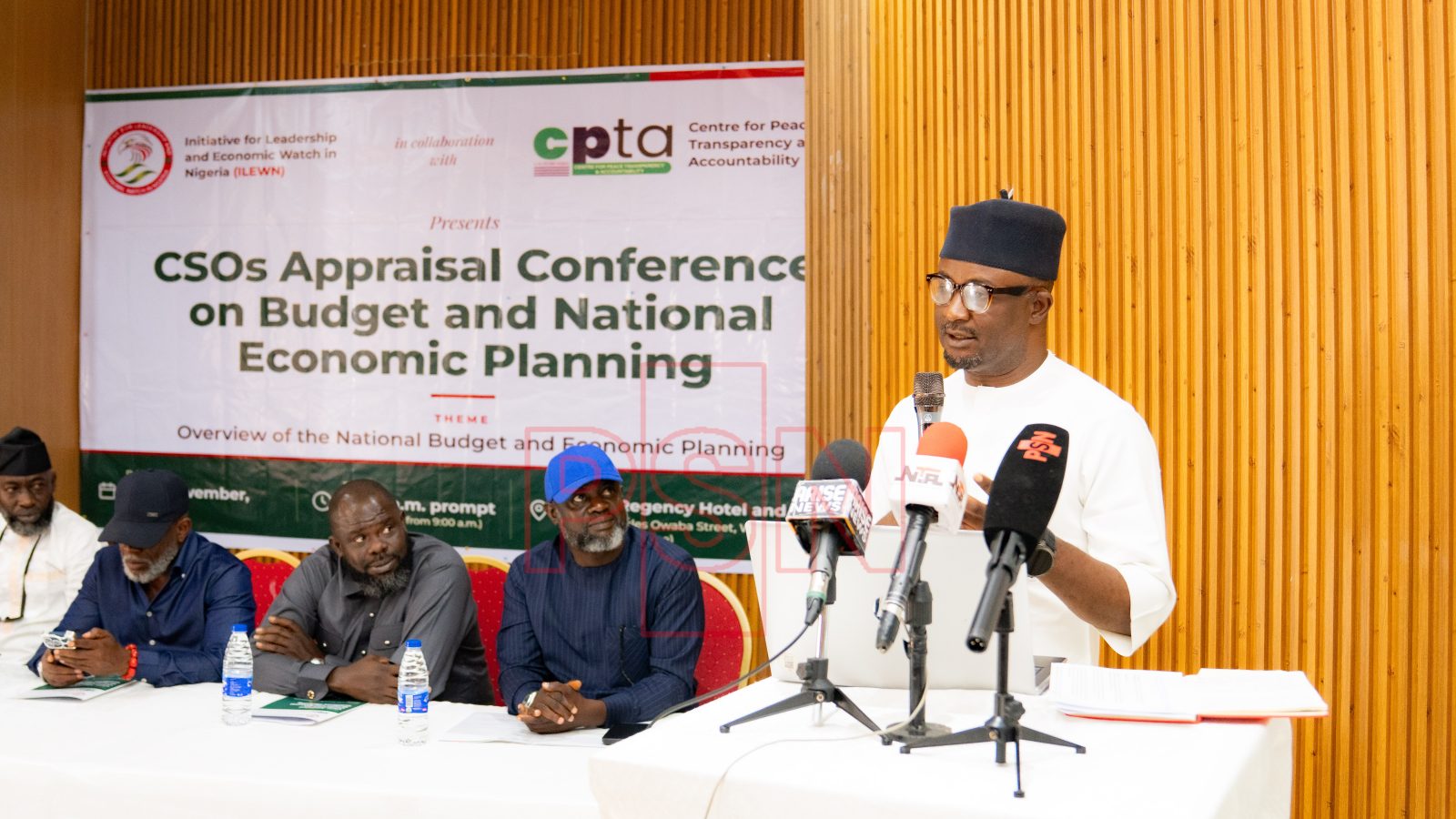
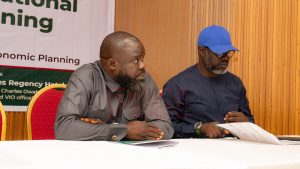
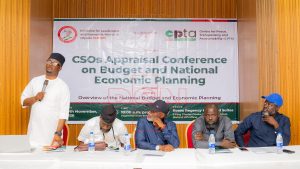
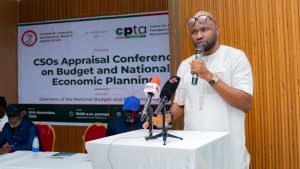
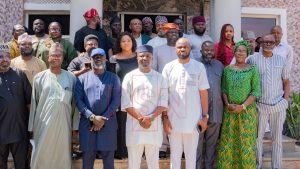
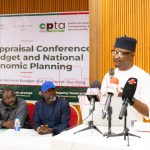
The call came during a CSOs Appraisal Conference on Budget and National Economic Planning in Abuja on Friday.

According to a PerSecondNews correspondent at the event, participants also stressed the need for sustained collaboration between civil society and government institutions to drive accountability and responsible resource management.
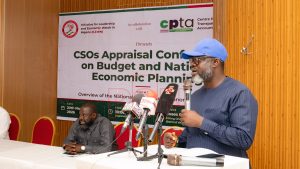
Speaking at the conference, Executive Director Centre for Peace, Transparency and Accountability,Comrade Patrick Ogheneyero Onomuodeke, said that the importance of budget monitoring and evaluation in ensuring public funds translate into measurable improvements in the lives of Nigerians.
He said the conference provided an opportunity to deepen understanding of the national budget, encourage citizen participation in economic planning and strengthen collaboration between government and civil society organisations.
Onomuodeke urged CSOs to remain committed to scrutinising budget formulation and implementation, evaluating government projects and holding public officials accountable for the use of public resources.
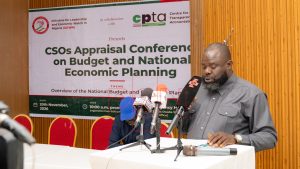
Executive Director of the Initiative for Leadership and Economic Watch in Nigeria, Amb. Splendor Agbonkpolor, welcomed participants and described the national budget as more than a financial document, noting that it reflects government priorities and its commitment to national development.
He encouraged participants to engage meaningfully in discussions on economic planning and budget accountability.
National President of CSGGG, Comrade Dominic Ogakwu, also called for greater attention to budget implementation and the country’s economic realities, urging participants to use the conference to interrogate relevant issues, seek clarity and contribute ideas towards improving the budget process.
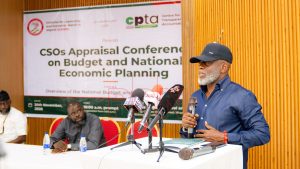
Convener of the Social Transparency and Youth Leadership Advancement Initiative, Comrade Okpanachi Jacob, encouraged participants to contribute their ideas, questions and recommendations, stressing the importance of collaboration between civil society and government.
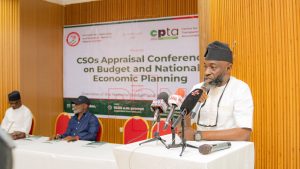
He urged stakeholders to ensure that resolutions reached at the conference were followed through with sustained engagement with relevant government institutions rather than allowing them to remain on paper.
Presenting an overview of Nigeria’s national budget and economic planning framework, Chief Planning Officer of the Federal Ministry of Budget and Economic Planning, Mr Justin Aniah, outlined opportunities for CSOs to participate in budget formulation, enactment, implementation and oversight.
Anih explained that Nigeria’s budget framework connects the country’s long-term vision, Agenda 2050, to the Medium-Term Development Plan, the Medium-Term Expenditure Framework (MTEF), the Fiscal Strategy Paper (FSP) and the annual Appropriation Act.
He described the MTEF as a rolling, multi-year planning framework that links economic projections, revenue expectations, spending limits and sector priorities to annual budget preparation.
He also highlighted the legal framework governing the budget process, including the 1999 Constitution, Fiscal Responsibility Act 2007, Public Procurement Act 2007 and Freedom of Information Act 2011.
Anih outlined the four stages of the budget cycle formulation, enactment, implementation and oversight explaining how CSOs could engage through public consultations, policy briefs, legislative hearings, project monitoring and advocacy.
Speaking on the 2026 budget, he cited the N68.32 trillion approved expenditure, including N32.2 trillion for capital expenditure, representing about 47 per cent, and N15.8 trillion for debt servicing, accounting for about 23 per cent.
He urged CSOs to scrutinise government spending on infrastructure, agriculture, healthcare, education and job creation, while assessing debt sustainability, expenditure efficiency and the quality of public service delivery.
The presentation further encouraged civil society organisations to move beyond tracking budget allocations to monitoring actual outcomes, including whether projects were completed, facilities were functional, beneficiaries were reached and public investments improved people’s living conditions.
Anih identified agriculture, irrigation, transport, power, healthcare, education, small businesses and social protection as key areas for CSO monitoring, particularly in assessing food security, productivity, access to services, employment and poverty reduction.
He encouraged CSOs to participate in budget formulation by submitting community priorities, attending pre-budget consultations, joining sector working groups and presenting evidence-based proposals to government.
He also urged groups to engage the National Assembly through memoranda, public hearings, briefings to lawmakers, constituency feedback and town hall meetings, stressing the importance of early engagement and follow-up on recommendations.
On budget implementation, he called on CSOs to monitor fund releases, procurement processes, contracts and project delivery in communities, while using Freedom of Information requests to obtain relevant information from ministries, departments and agencies.
He further encouraged the review of quarterly budget implementation reports, Auditor-General reports and Public Accounts Committee findings to identify gaps and strengthen accountability.
Anih identified delayed budget passage and releases, limited access to project-level information and high debt-servicing obligations as some of the challenges affecting budget monitoring.
He recommended the use of the Open Treasury Portal, BudgIT Tracka, GovSpend, the Bureau of Public Procurement’s open contracting portal, citizens’ budgets and audit reports to support evidence-based advocacy and monitoring.
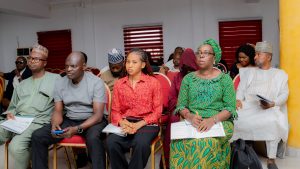
Participants at the conference also called for sustained engagement between civil society organisations and government to promote transparency, accountability and effective implementation of national development priorities.
Author





Leave a comment