













By Joycelyn Ellakeche Adah
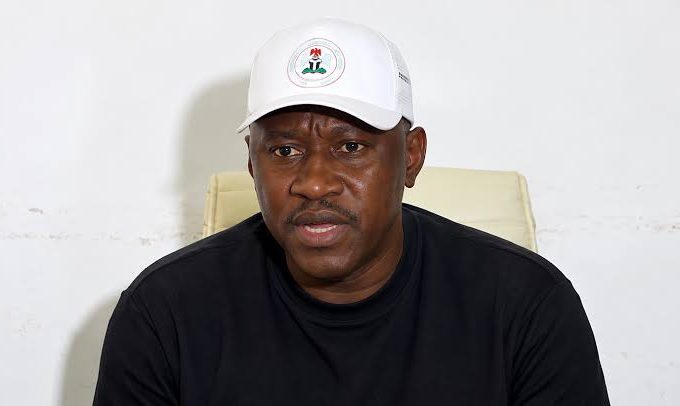
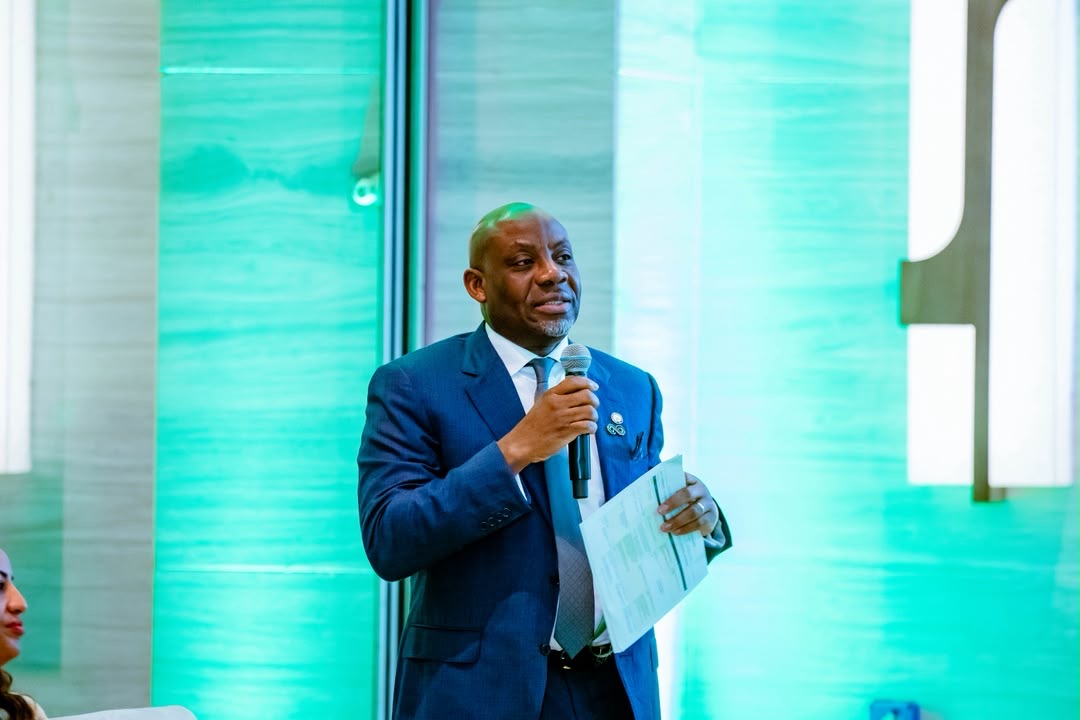
The Nigerian Electricity Regulatory Commission (NERC) Chairman, Dr. Musiliu Oseni, has said the unbundling of the Transmission Company of Nigeria (TCN) and the creation of the Nigerian Independent System Operator (NISO) would ensure a greater transparency in the country grid management.
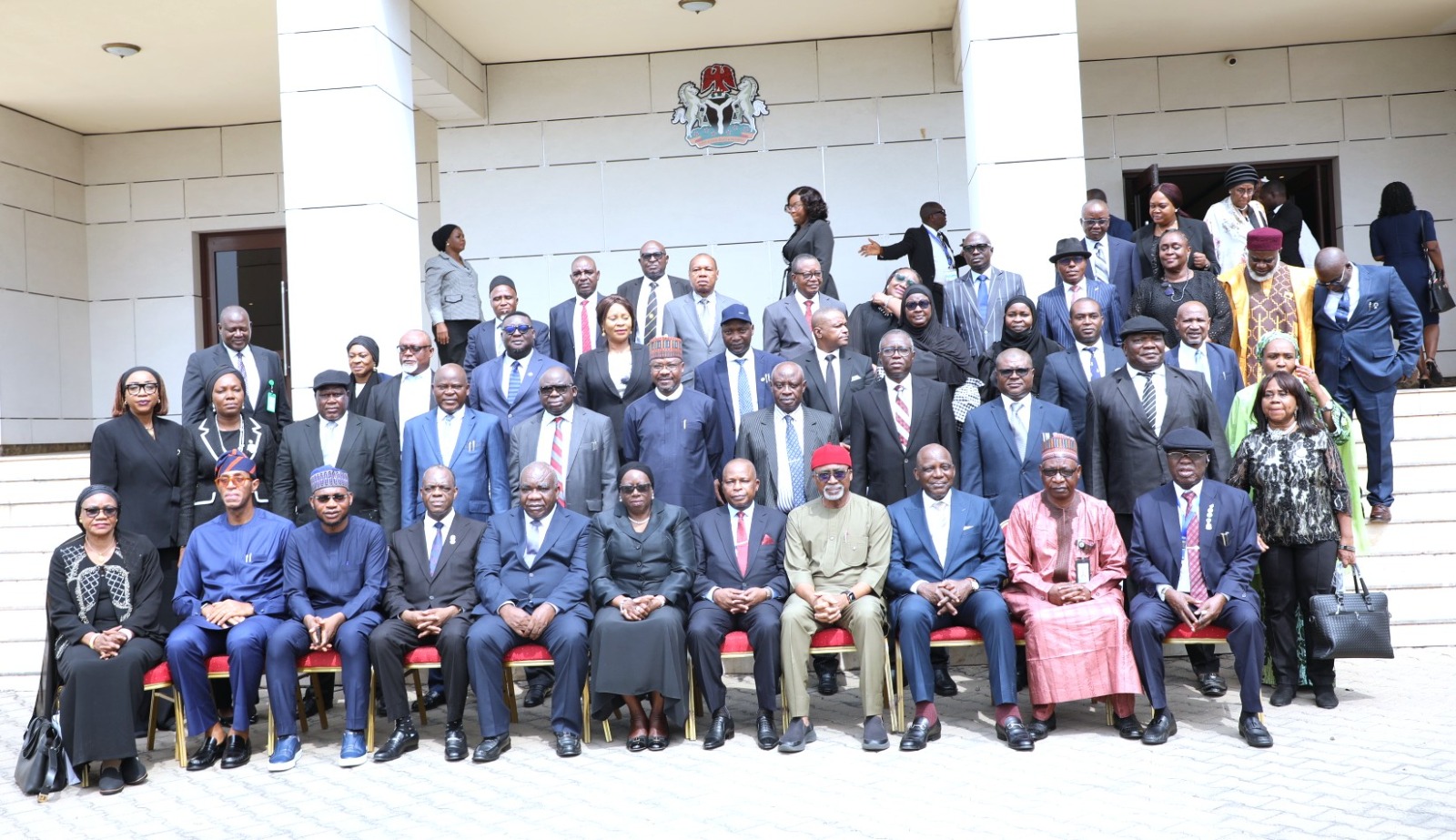
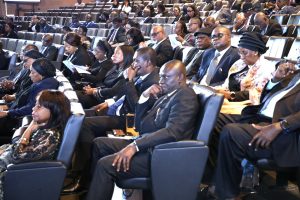
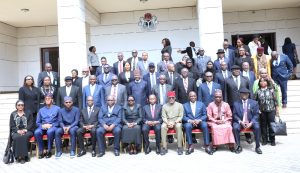
He spoke at the 6th edition of the commission’s seminar on the Nigerian Electricity Supply Industry (NESI) for judicial officers aimed at deepening engagement between power sector regulators and the Bench at a time of sweeping reforms in the industry.
The three day seminar, held in collaboration with the National Judicial Institute (NJI) at its Abuja complex, is themed “Nigeria’s Electricity Market in Transition: Law, Regulation and the Courts.”
It brings together senior judicial officers, regulators and policymakers to examine the evolving legal and regulatory landscape of the power sector.
Declaring open the seminar, Oseni lauded the recent reforms in the power sector.
He described the forum as a critical platform for meaningful dialogue with the judiciary on the progress and persistent challenges in the sector.
He also announced the commencement of free prepaid meter distribution to unmetered customers, in line with presidential directives.
Oseni noted that the transition to a decentralised electricity market, with 16 states already issued transfer orders, signals a shift from a single federal regulator framework to one involving multiple state regulators.
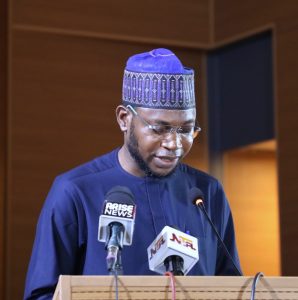
According to him, this development makes judicial familiarisation with both federal and state electricity laws increasingly important.
He welcomed the newly approved Practice Direction for NESI matters, saying it would provide clarity in resolving disputes.
The Attorney General of the Federation and Minister of Justice, Prince Lateef Fagbemi (SAN), underscored the judiciary’s central role in safeguarding the reform process, particularly as decentralisation introduces fresh layers of adjudication.
Similarly, the Administrator of the NJI, retired Justice Babatunde Adejumo, emphasised the need for judges to understand the complex intersection of law, economics and engineering that defines electricity regulation.
Goodwill messages from key stakeholders, including Senate Committee on Power Chairman, Senator Enyinnaya Abaribe, and the Minister of Power, Chief Adebayo Adelabu, reinforced the importance of legislative backing and judicial efficiency in strengthening investor confidence and improving electricity supply nationwide.
Chief Justice of Nigeria, Justice Kudirat Kekere-Ekun, who delivered a keynote address at the event, praised the collaboration between NERC and the NJI.
She expressed her confidence that these discussions would strengthen judicial expertise and foster a more robust legal framework for the power sector.
The technical sessions explored the practical application of the Electricity Act 2023, highlighting investment prospects and the complexities of tariff regulation.
These discussions reflected the diverse challenges and opportunities currently defining Nigeria’s transition toward a decentralized energy market.
Author










Leave a comment