















By Omoyeni Ojeifo
The Federal Government is pushing to transform Nigeria’s agricultural sector into an industrial wealth-creation engine, shifting emphasis from food production to processing, employment generation and expanded market opportunities.
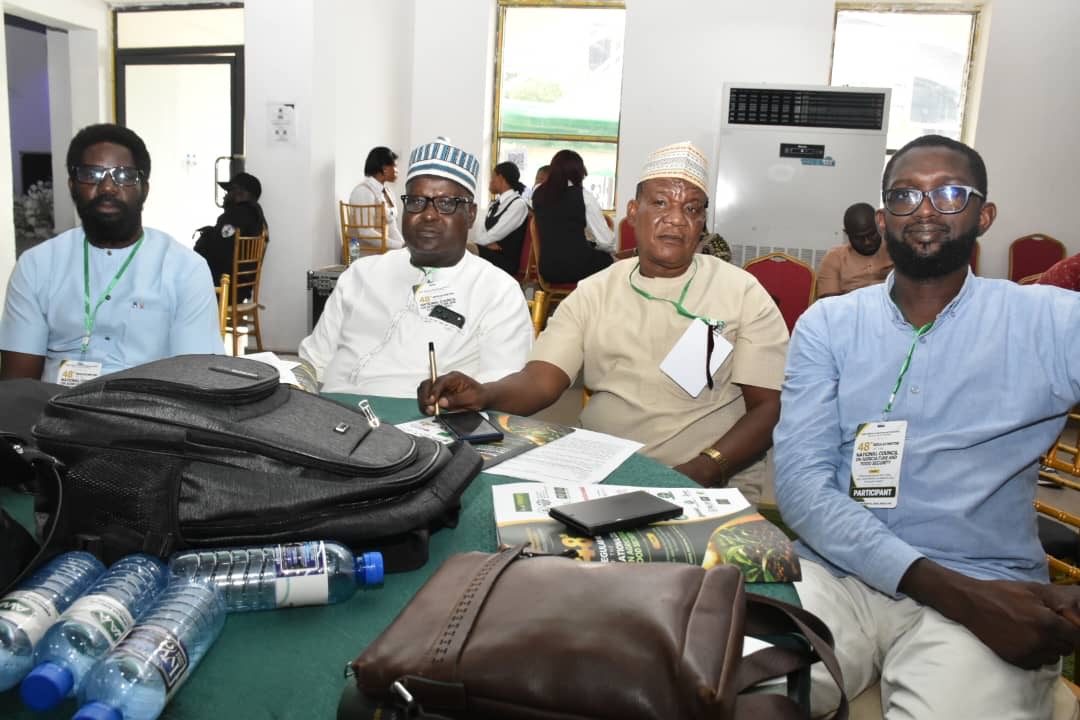
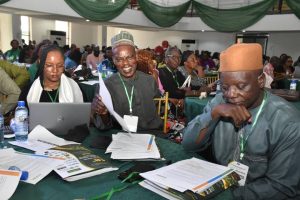
Dr Marcus O. Ogunbiyi, Permanent Secretary, Federal Ministry of Agriculture and Food Security, disclosed this at the Technical Session of the 48th Regular Meeting of the National Council on Agriculture and Food Security in Enugu on Monday, under the theme, “Enhancing Agricultural Value Chains, Agro-Industrialization and Market Access for Economic Growth.”.
According to him, Nigeria must move beyond increasing agricultural output to building an economy that creates wealth, supports industries, generates employment and contributes meaningfully to national economic growth.
“The task before us goes beyond increasing the volume of food produced. We must build an agricultural economy that creates wealth, supports industries, generates employment and contributes meaningfully to national economic growth,” he said.
He identified the continued marketing of agricultural commodities in raw or minimally processed forms as a major setback, resulting in lost income opportunities, limited industrial development and reduced export earnings.
Ogunbiyi explained that the government’s priority was to develop commodity-based value chains connecting smallholder farmers and commercial producers with processors, manufacturers and markets.
He listed rice, cassava, maize, sorghum, cocoa, oil palm, sesame, ginger, tomatoes, livestock and fisheries products among the priority commodities targeted for improved processing facilities.
Ogunbiyi also identified improved market access as essential to agricultural transformation, stressing the need for stronger aggregation systems, reliable market information, product standards, grading and certification.
“Nigeria must take advantage of opportunities under the African Continental Free Trade Area, AFCFTA, to expand markets for locally produced agricultural commodities,” he noted.
The Permanent Secretary explained that while the Federal Government would provide policy direction, research and innovation, State Governments must mobilise farmers, provide land and infrastructure and create an enabling environment for agribusiness investments.
“Agro-industrialisation must go hand in hand with food and nutrition security, farmers’ welfare and the inclusion of women and young people.”
He also highlighted climate-smart agricultural practices, mechanisation, irrigation and affordable financing as important interventions for improving productivity and strengthening the agricultural sector.
Ogunbiyi outlined seven priorities for the Council, including strengthening agricultural value chains, accelerating agro-industrialisation, expanding market access, mobilising private-sector investment, promoting inclusive growth, improving institutional coordination and ensuring implementation and accountability.
He urged participants to ensure that their deliberations produced measurable actions capable of addressing challenges confronting Nigeria’s agricultural sector.
In his remarks, the Commissioner for Agriculture and Agro-Industrialisation, Enugu State, Dr. Patrick Nwabueze Ubru, disclosed that the state was transitioning from subsistence to commercial and mechanised agriculture.
He listed 300,000-hectare agricultural land bank, Smart Farm Estates across 17 local government areas, a 260 Farm Estate Programme and the establishment of a tractor assembly plant, as key initiatives driving the transition.
The Senior Strategic Partnerships and Business Development Coordinator of the International Fertilizer Development Center (IFDC), Idris Mohammed, disclosed that NIRSAL Credit Risk Guarantee coverage for tomato plastic crates had increased from 30 to 50 per cent, reaching 75 per cent for some beneficiaries, to reduce financing risks and post-harvest losses.
“The increased guarantee coverage would reduce financing risks for lenders and improve access to plastic crates, helping to minimise post-harvest losses among tomato farmers,”he said.
The Technical Session brought together Permanent Secretaries, heads of agencies, development partners, private-sector operators, farmers’ organisations, research institutions and other stakeholders.
Author









Leave a comment