






By Samuel Akpan
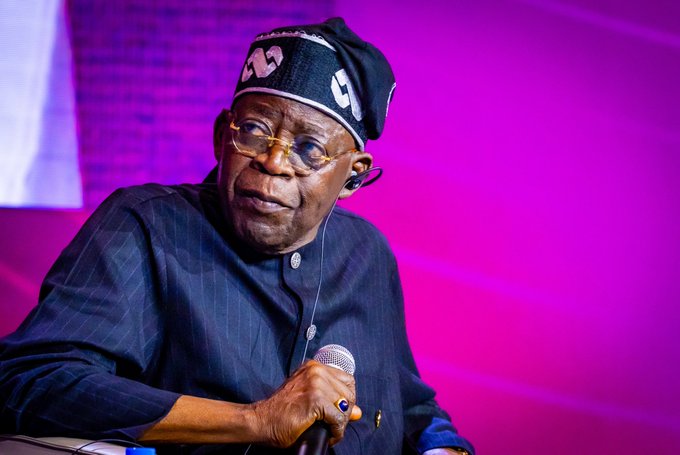
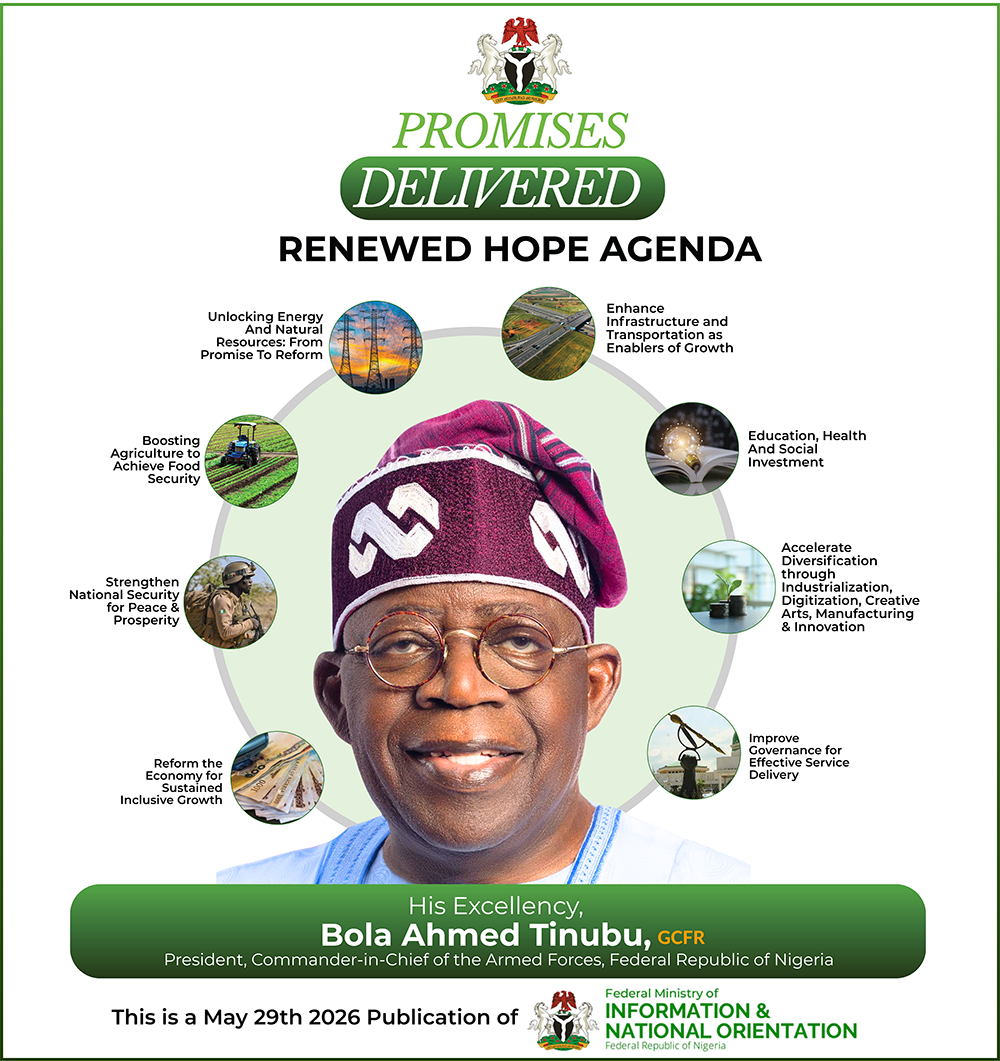
President Bola Tinubu has declared that Nigeria is moving from short-term borrowing to fund infrastructure that drives growth, creates jobs and supports the $1 trillion economy target by 2030.
“Borrowing to build, not to bridge, not for consumption,” he wrote in an article titled “From Reforms to Delivery: Our Infrastructure Investment and Growth Strategy,” shared on X on Thursday by his Special Adviser on Information and Strategy, Bayo Onanuga.
“Nigeria is fundamentally changing the purpose of public borrowing.”
He said subsidy removal, exchange-rate unification and tax reforms restored macroeconomic balance, quadrupled federation revenue since 2021 and rebuilt the state’s balance sheet credibility.
Real GDP growth hit 4.43 per cent in the second quarter of 2026, while headline inflation dropped to 14.63 per cent in September from 20.98 per cent a year earlier.
Gross external reserves stood at $55.1 billion as of October 9, including about $46 billion in net reserves, strengthening access to international capital.
Public debt was 35.75 per cent of GDP in the second quarter, with debt servicing consuming about 65 per cent of revenue in the first half of the year.
The Federal Executive Council’s strategy rules out deficit monetisation and unfunded commitments ahead of elections, insisting on discipline.
Priority projects include the Lagos-Calabar Coastal Highway, Sokoto-Badagry and Trans-Sahara superhighways, grid upgrades and Lagos port improvements to cut logistics costs and attract private investment.
As of August 2026, Lot 2 of the coastal highway was over 80 per cent complete and the Calabar-Akwa Ibom section over 30 per cent, with expected 15-20 per cent cost reductions and up to two per cent GDP contribution.
The project is projected to create about 100,000 direct construction jobs and over 150,000 indirect roles in logistics and services.
Tinubu said the government is extending debt maturities and seeking cheaper financing, citing positive ratings from S&P, Fitch and Moody’s, Nigeria’s return to FTSE Russell Frontier Market status and removal from the FATF grey list in October 2025.
“The reforms have opened the door to capital; delivery is what will turn that capital into prosperity,” he stated, adding that every naira borrowed must create economic value and projects must be judged by results, not announcements.
Author




Leave a comment