














The Nigeria Centre for Disease Control and Prevention (NCDC) has identified nine additional contacts linked to Nigeria’s confirmed Ebola case, bringing the total number of primary contacts under surveillance from 44 to 53.
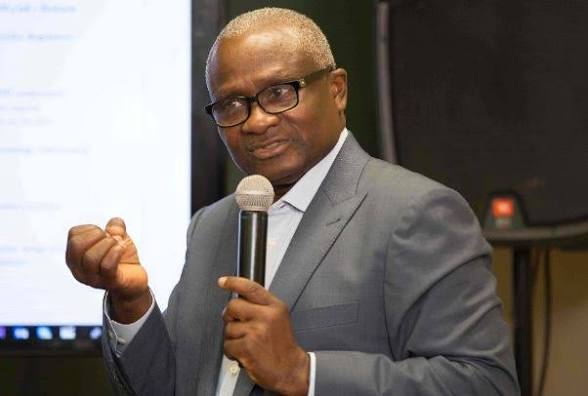
The Director-General of the NCDC, Dr. Jide Idris, disclosed this at a media briefing in Abuja on Sunday, where he provided updates on contact tracing, laboratory preparedness, isolation arrangements and measures to prevent further transmission.
Nigeria confirmed its first case of Ebola virus disease in the current outbreak on October 20, 2026, after laboratory tests returned positive for a 42-year-old woman who had travelled from Uganda.
The nine additional contacts comprise three people linked to the patient’s household, including her husband, driver and chef; three people who attended to her at Julius Berger Clinic before she was transferred to another facility; and three members of the team that collected samples from her.
Idris also addressed reports of suspected Ebola infections, with the agency investigating a suspected case in Rivers State on October 23.
“We have 53 primary contact links. They are primary contacts. We have an isolation centre and a quarantine centre,” Idris said.
The NCDC director-general said the identified contacts had been classified according to their level of exposure, while public health teams continued monitoring them for 21 days after their last possible exposure.
According to him, none of the 53 contacts had tested positive for Ebola or developed symptoms as of the time of the briefing.
On financial support, Idris disclosed that the NCDC had approved a weekly stipend of ₦100,000 per person for contacts undergoing isolation or quarantine to help them meet essential needs and support their families during the monitoring period.
“We are providing N100,000 per person per week just to maintain their comfort and feeding, because they were complaining,” he noted.
He explained that the intervention followed concerns raised by some contacts about providing for their households while complying with public health measures.
Idris added that the agency was already covering accommodation and feeding, describing the additional payment as an emergency measure that had not been included in the original response plan.
“This was not planned for, but it is an emergency. We will continue to review it as we go along,” Idris said.
The director-general also urged state governments to prepare for the financial and logistical demands of managing public health emergencies, stressing that responsibility for supporting isolation and contact-tracing activities should not rest solely on the Federal Capital Territory.
“This is not the responsibility of the FCT alone. What we have to do for the FCT, we have to do for any other state, just in case,” Idris said.
On laboratory preparedness, Idris disclosed that about 12 public and private laboratories were available to test for Ebola, adding that the agency had strengthened its testing capacity to ensure suspected cases were promptly investigated.
He urged public and private healthcare facilities nationwide to strengthen screening, triage and infection prevention measures while ensuring healthcare workers had adequate personal protective equipment.
Idris also called on Nigerians contacted by public health officials to cooperate with contact-tracing teams and provide accurate information about their movements, contacts and symptoms.
The NCDC said it would continue surveillance, contact tracing and monitoring as part of efforts to identify potential infections promptly and prevent further transmission.
Author




Leave a comment