











By Joycelyn Ellakeche Adah
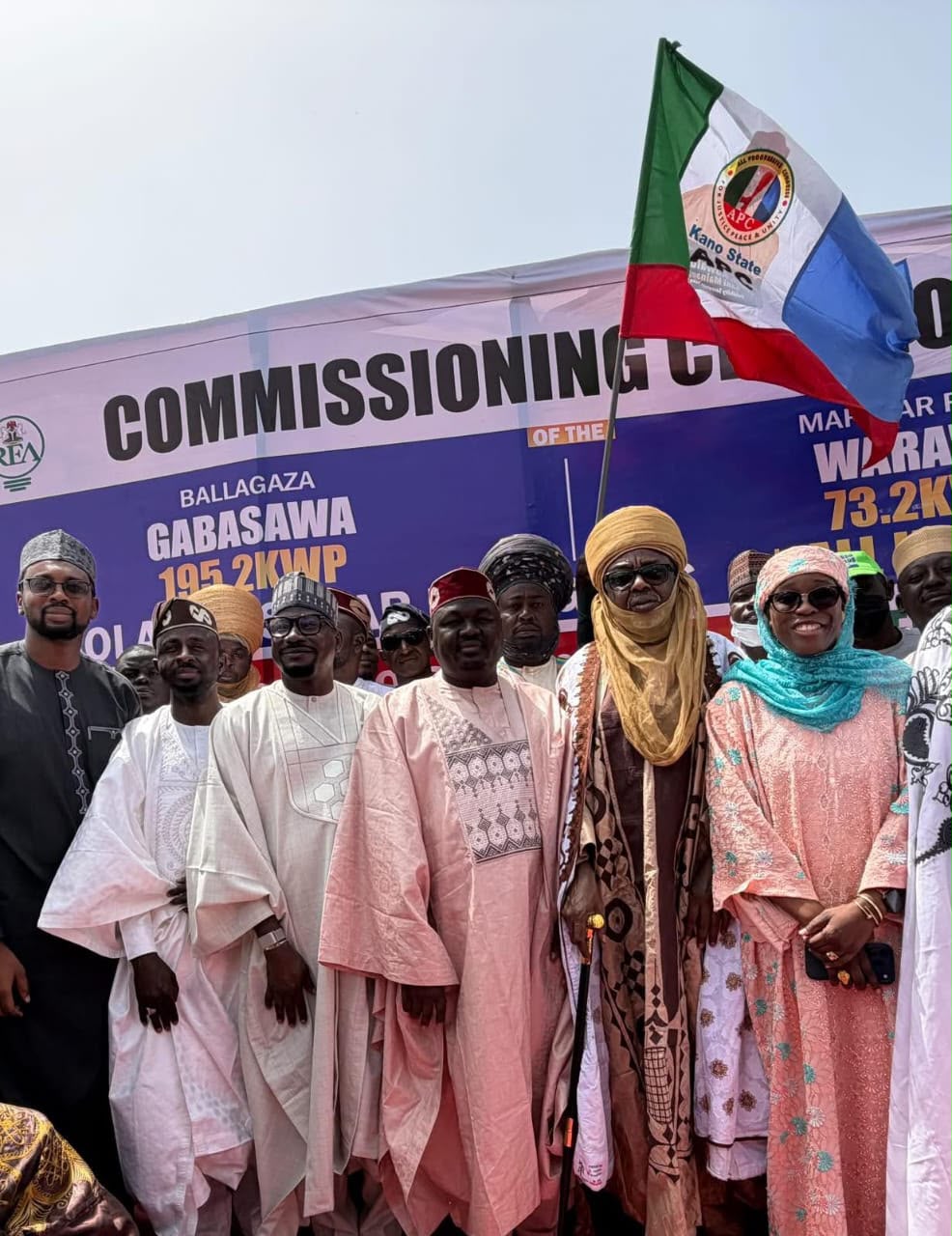
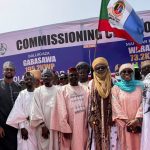
The Rural Electrification Agency (REA) has commissioned two mini- grid projects in Kano State, bringing electricity to 2,222 households in communities that have endured more than 16 years without power.
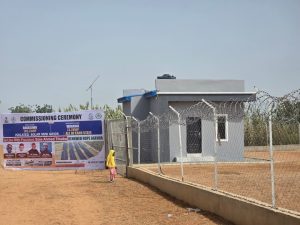
The projects, comprising a 195 kilowatt peak (kWp) system in Ballagaza and a 70kWp system in Marayar Rogo, both in Warawa, were delivered under the Federal Government’s Distributed Access through Renewable Energy Scale-up (DARES) programme.
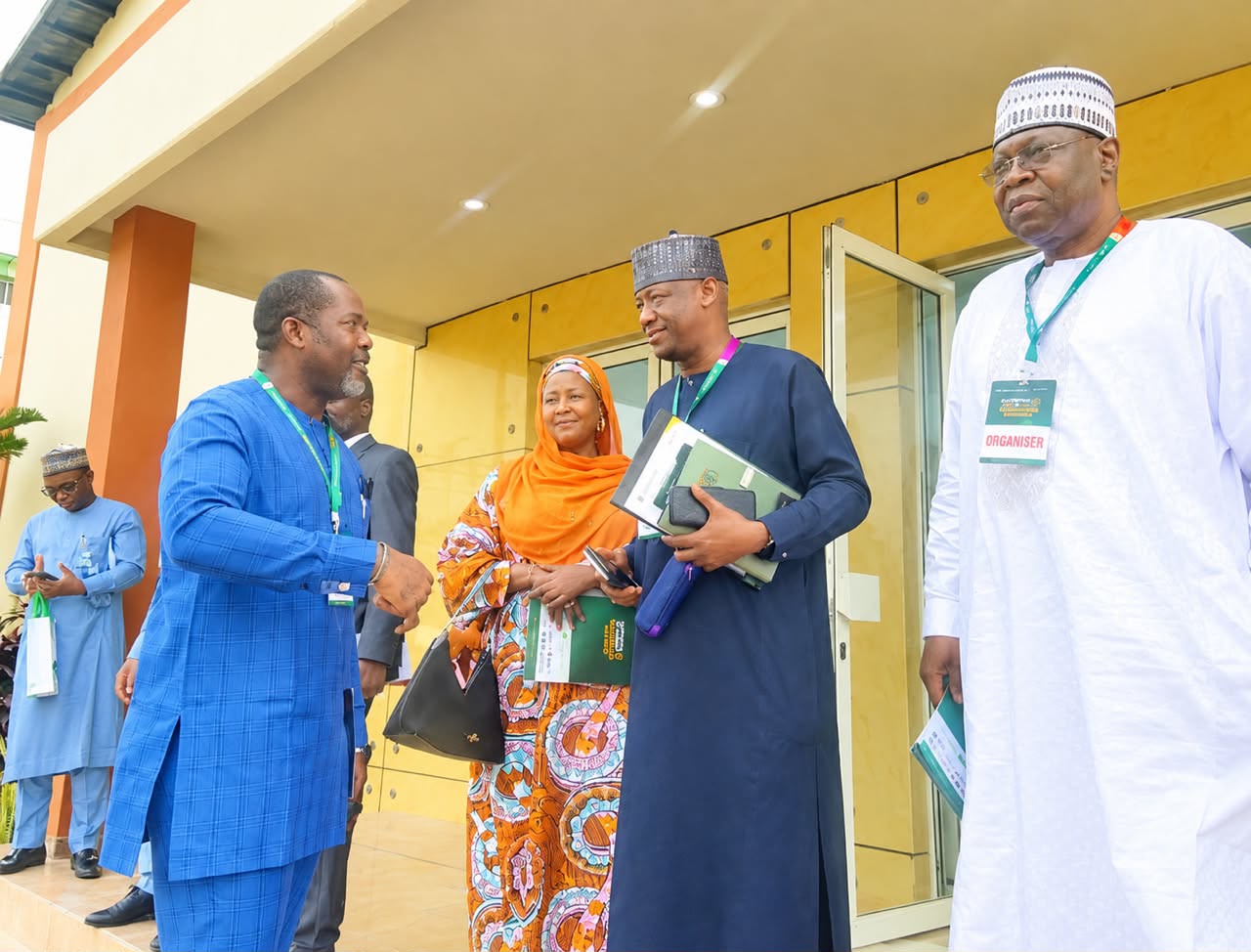
Speaking at the commissioning, REA Managing Director, Abba Aliyu, said the projects demonstrated how public private partnerships could expand electricity access, with the Federal Government subsidising part of the cost to make power affordable for residents.
“The Federal Government did not build these mini grids and hand them over. Alfuttaim Nigeria Limited invested its own money, built them, and will own and operate them for many years. What the government did, through the DARES programme delivered by the REA with support from the World Bank, was to subsidise part of the cost to ensure the electricity is affordable for you,” he said.
He said the projects were part of efforts to achieve the Renewed Hope Agenda’s target of providing electricity to more than 17 million Nigerians.
Aliyu disclosed that Nigeria was working towards deploying 1,350 mini grids under DARES, adding that the programme had already provided new or improved electricity access to more than five million people.
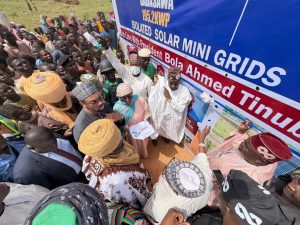
“Our country still has more people without electricity than any other nation in the world. That challenge will not be solved by a single agency or programme; it will be solved community by community, in places like Ballagaza and Marayar Rogo, when private companies are willing to invest and communities take ownership of what is built for them. The government’s job is to keep its word to both.”
The REA chief also commended Kano State Governor Abba Kabir Yusuf for prioritising electricity access and providing an enabling environment for the projects.
Beyond household lighting, the mini-grids are expected to support economic activities in the communities, where residents produce groundnuts, millet, sorghum and soya, alongside traditional blacksmithing, weaving and dyeing.
With access to electricity, groundnut processors will be able to use electric machines to produce groundnut oil and kuli-kuli, potentially improving productivity and increasing earnings.
The projects will also provide power to a primary healthcare centre in the Gabazawa community, which previously operated without electricity.
Cofounder of Alfuttaim Nigeria Limited, Dr Nabilah Sani, welcomed the completion of the projects, saying they would benefit households while supporting agricultural production and other local businesses.
She thanked the Federal Government for facilitating the funding that helped bring the projects to fruition, adding that the two mini grids were part of 10 sites the company was developing in Kano State.
Sani urged residents to protect the infrastructure and avoid vandalism to ensure the projects continue to serve the communities.
The projects form part of wider efforts to expand electricity access through private sector investment, with government support aimed at reducing the cost of providing power to underserved communities.
Author




Leave a comment