













By Omoyeni Ojeifo
ActionAid Nigeria, a longstanding voice on poverty reduction and social justice, has welcomed President Bola Tinubu’s vision of an “age of prosperity”, calling for clear measures to track progress in reducing poverty across the country.
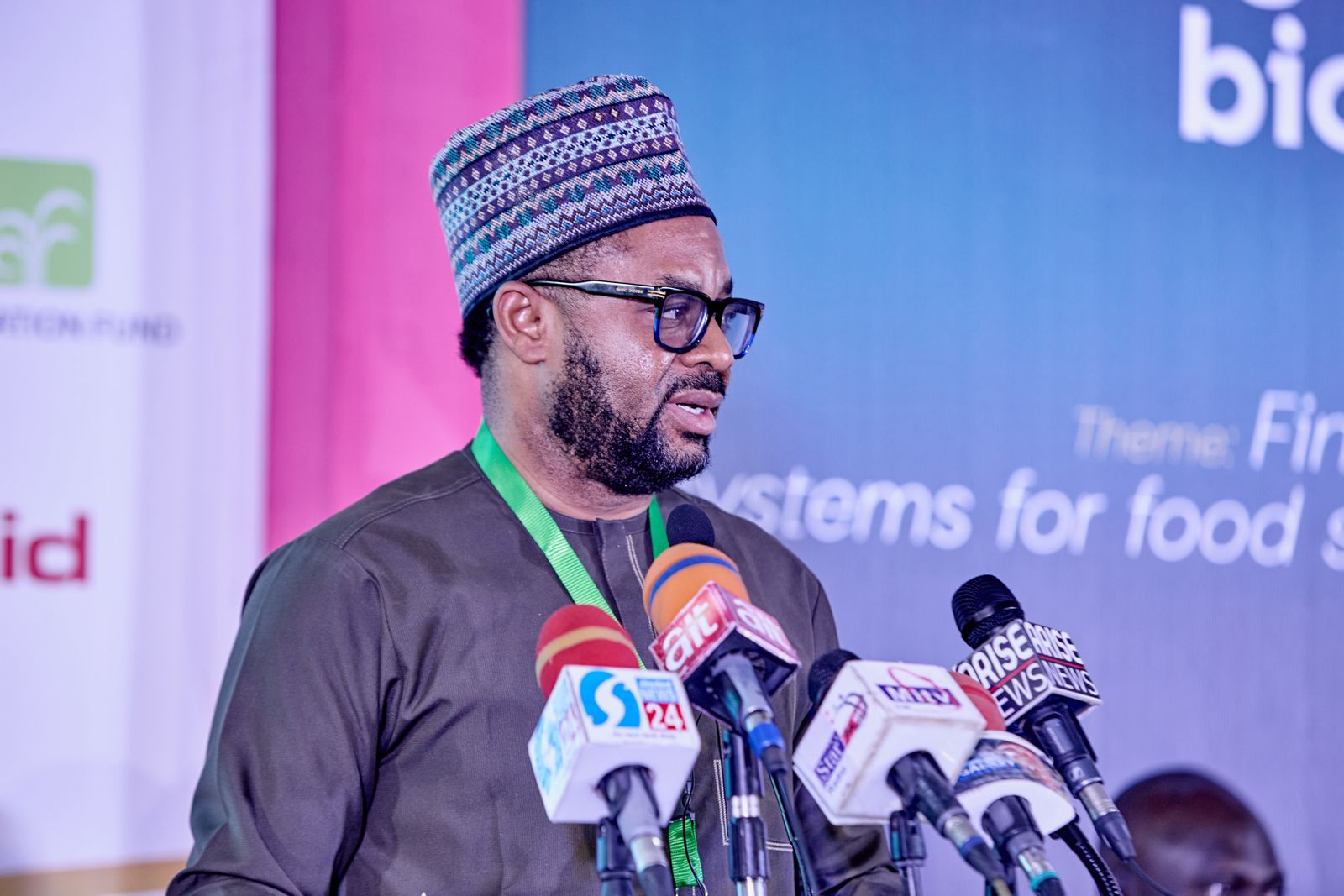
According to Dr Andrew Memedu, the Country Director of ActionAid Nigeria, in a statement emailed to PerSecondNews on Friday, said that measurable results would help Nigerians assess the impact of the government’s poverty reduction efforts.
Mamedu was reacting to Tinubu’s 66th Independence Day address, where the President declared Nigeria was moving from an “age of reform” to an “age of prosperity.”
PerSecondNews recalls that President Tinubu had declared that the government’s objective was not to manage poverty more efficiently, but to defeat it.
Mamedu said: “Nigerians should now be able to hold the government to that commitment through clear, measurable results.”
The organisation cited the World Bank’s latest Nigeria assessment, estimating that 50.8% of Nigerians, about 123 million people, lived in extreme poverty in 2025.
The World Bank also estimated that 69.6% lived below the $4.20-a-day poverty line for lower-middle-income countries.
ActionAid called for year-by-year measurement of Nigerians moving out of poverty, changes in real household incomes, food access and social protection.
It also called for measurable improvements in healthcare, education, decent work and other basic services, particularly for vulnerable and historically excluded communities.
Mamedu stressed that economic growth was important, but prosperity should ultimately be reflected in improvements in Nigerians’ everyday lives.
“The real evidence of prosperity is whether a family can afford nutritious food, whether a young person can find decent work, and whether a woman farmer can cultivate safely,” he said.
Nigeria’s real GDP grew 4.43% year-on-year in the second quarter of 2026, up from 3.89% in the first quarter, according to the National Bureau of Statistics, NBS.
The NBS also reported headline inflation at 15.39% in August 2026, while food inflation remained higher at 19.57%.
ActionAid acknowledged the improvements and called for the gains to translate into higher household incomes and improved living conditions.
The organisation also cited an FAO assessment estimating that nearly 36.3 million people faced severe acute food insecurity during the June–August 2026 lean season.
About 2.1 million people were estimated to be facing emergency levels of food insecurity during the period.
ActionAid linked food insecurity to conflict and economic pressures, stressing the need for stronger measures to improve food security.
The organisation also called for stronger investment in smallholder farmers, particularly women farmers, alongside climate-resilient and agroecological farming practices.
On insecurity, ActionAid argued that safety should become a development indicator, alongside other measures of economic and social progress.
Mamedu said the government should measure whether farmers can safely reach their farms and whether displaced families can return home.
“If this is truly the beginning of an age of prosperity, then prosperity must have numbers, targets and timelines,” he said.
ActionAid therefore urged the Federal Government to establish measurable targets covering poverty reduction, household incomes, food security, employment and social protection.
It also called for community safety to form part of the measures used to determine whether Nigerians are experiencing the prosperity being promised.
Author






Leave a comment