













By Samuel Akpan
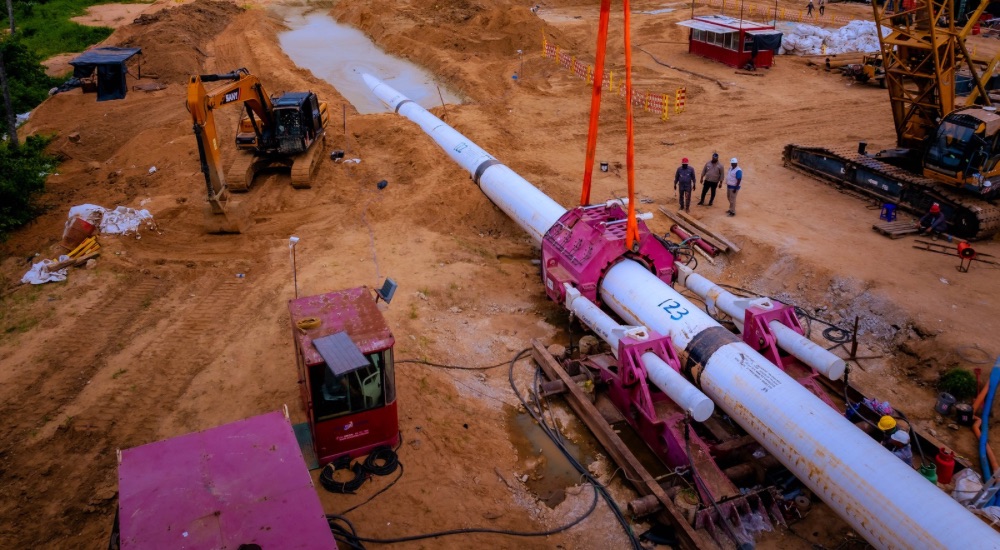
The Nigerian National Petroleum Company Limited (NNPC) has successfully completed the River Niger section of its ambitious 130-kilometre Obiafu-Obrikom-Oben (OB3) gas pipeline, the company announced on Thursday.
The national oil company noted that its subsidiary, NNPC Gas Infrastructure Company, delivered the engineering feat, which marks a major boost to Nigeria’s expanding gas transmission network.
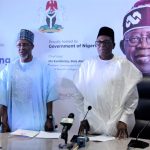
Group Chief Executive Officer Bashir Ojulari called the breakthrough a defining moment for the nation’s energy sector, saying it will strengthen domestic gas use, enhance power supply, and spark wider industrial growth across the country.
Ojulari credited the achievement to hard-won lessons from the Ajaokuta–Kaduna–Kano Gas Pipeline’s River Niger crossing completed in 2025, pointing to sharper project execution, fresh innovation, and stronger governance standards.
He singled out President Bola Tinubu’s Gas-to-Prosperity agenda for vital support, while praising the NNPC Board under Ahmadu Musa Kida, host communities, and all project partners for their unwavering collaboration.
Officials described the OB3 pipeline as the vital east-west link in Nigeria’s gas grid, with future plans to tie it into the northern corridor via the AKK pipeline in a statement on Thursday.
In the coming months, the line is expected to release more than 500 million standard cubic feet of additional gas to the domestic market, powering electricity generation, fuelling industrial expansion, and opening doors for regional gas trade.
NNPC Limited reaffirmed its drive to keep building gas infrastructure, part of a larger push to accelerate economic development and raise living standards for Nigerians everywhere.
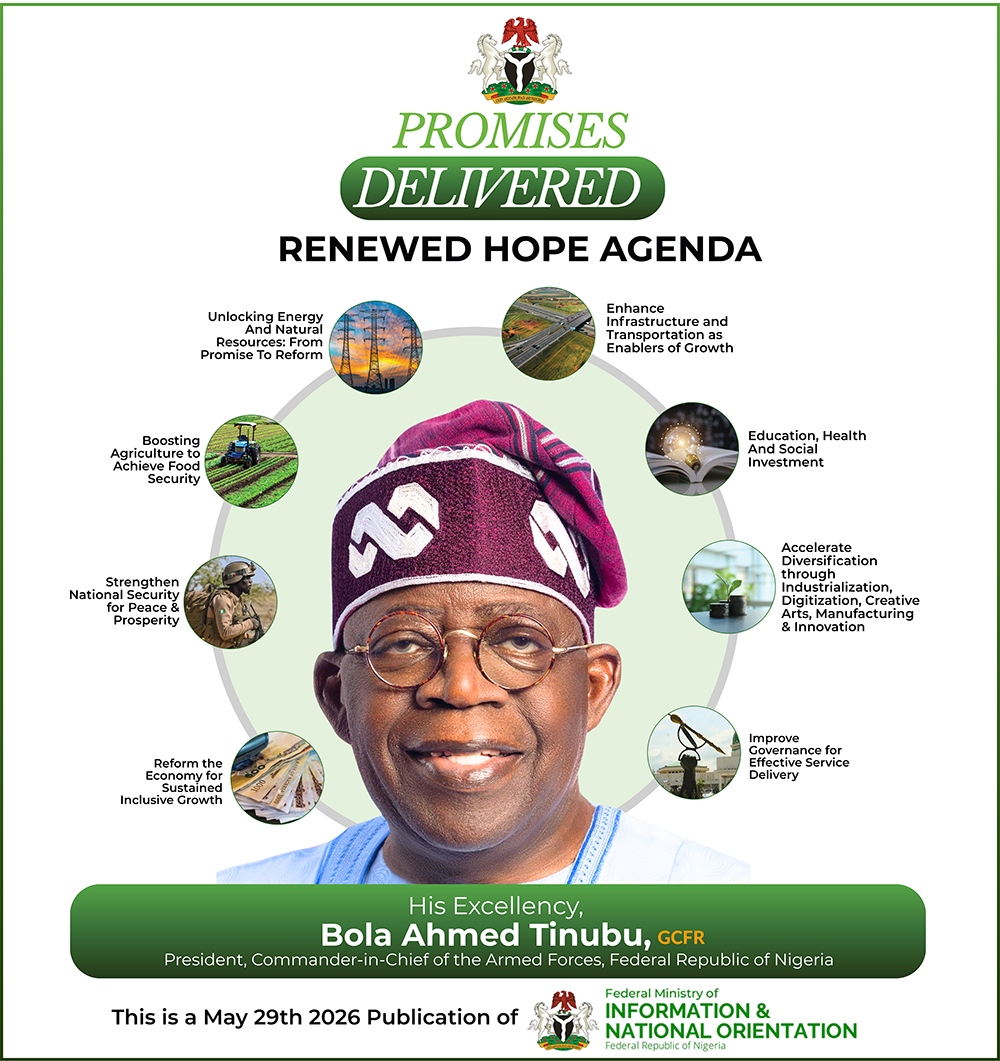
Persecondnews reports that the Gas-to-Prosperity Agenda (officially styled as “From Gas to Prosperity – Renewed Hope”) is Tinubu’s flagship strategy to turn Nigeria’s massive natural gas reserves into the main engine of national economic growth, energy security, industrialization, and improved living standards.
Launched in 2023 with the creation of a dedicated Ministry of State for Petroleum Resources (Gas), the agenda accelerates the Decade of Gas Initiative that began in 2021.
It positions natural gas — of which Nigeria holds over 209 trillion cubic feet of proven reserves — as the bridge fuel that will restructure the economy for “expansive growth” while supporting the country’s energy transition.
Persecondnews recalls that the Nigerian leader had described gas as “the resource that will catalyse the fundamental restructuring of the nation’s economy for expansive growth,” framing the agenda as the practical implementation of his broader Renewed Hope Agenda.
Author







Leave a comment