










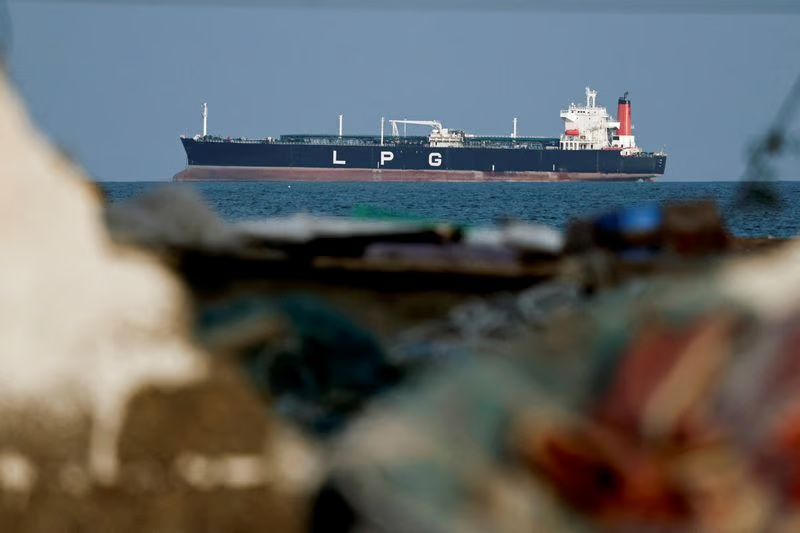




Amid escalating tensions in the Middle East, both Australia and Japan have made it clear they won’t be dispatching warships to safeguard the Strait of Hormuz, even as U.S. President Donald Trump pushes for an international alliance to secure this crucial passage for global energy trade.
The American leader has recently advocated for a joint maritime effort to shield merchant ships navigating the strait, a narrow channel that handles about 20% of the planet’s oil shipments.
In Canberra, officials have firmly ruled out military involvement in the area. Australia’s Transport Minister, Catherine King, emphasized the decision during a discussion with the national broadcaster.
“We won’t be sending a ship to the Strait of Hormuz,” she stated, acknowledging the route’s significance while clarifying the stance.
King further explained the rationale behind Australia’s position, noting that no formal request had been made for such participation.
“We know how incredibly important that is but that’s not something we’ve been asked or we’re contributing to,” she added in her remarks to the Australian Broadcasting Corporation.
Over in Tokyo, similar reservations have surfaced. Defence Minister Shinjiro Koizumi informed lawmakers that his government isn’t pursuing any sea-based protective measures at this time.
“In the current Iran situation, we are not at the moment considering issuing a maritime security operation,” he said.
Prime Minister Sanae Takaichi highlighted the legal hurdles involved, pointing out that initiating such a mission would pose major challenges under Japan’s framework.
She described it as “extremely difficult legally,” given the constraints on foreign military actions imposed by the nation’s constitution drafted after World War II.
Japan’s reluctance stems from longstanding sensitivities around overseas deployments of its Self-Defense Forces, a legacy of the pacifist principles embedded in the post-war charter that has shaped the country’s defense policies for decades.
The situation has intensified following strikes by Israel and the United States against Iran on February 28, sparking concerns over potential interruptions to worldwide petroleum flows.
Situated between Iran and Oman, the Strait of Hormuz serves as a vital bottleneck connecting oil-rich Gulf nations to international buyers, making it one of the most strategically important waterways on the globe.
Author








Leave a comment