










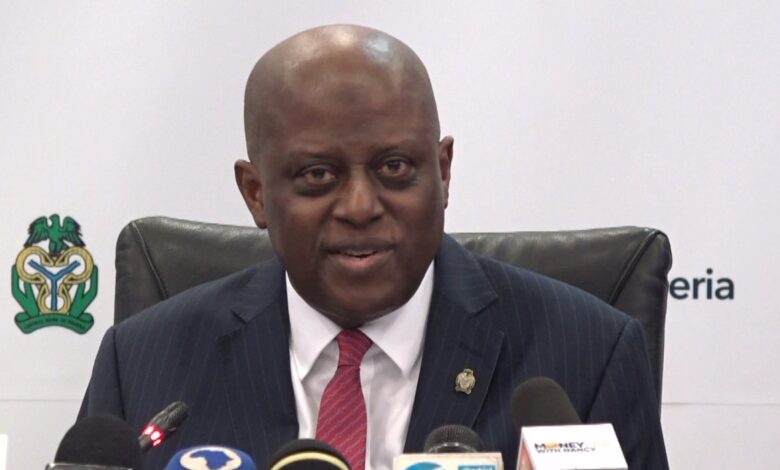



Nigeria’s foreign reserves have reached a seven-year high of $46.7 billion, providing approximately 10.3 months of import cover, according to Central Bank of Nigeria (CBN) Governor Olayemi Cardoso.
This milestone reflects renewed confidence in the economy and improved stability in the foreign exchange market.
“Another important outcome was the resolution of the $7 billion of verified FX backlog, restoring credibility and confidence in the Nigerian economy,” Cardoso said while addressing the Senate Committee on Banking, Insurance and Other Financial Institutions on Thursday.
The CBN governor attributed the gains to sustained inflows and renewed investor participation across various asset classes.
“The gap between official and parallel market exchange rates has narrowed significantly to under 2%, compared to over 60% a year ago.
“The average exchange rate has also strengthened to ₦1,442.92 per dollar as of November 26, up from ₦1,551.08 in the first half of the year. Diaspora remittances have surged by 66.7% to $600 million monthly, up from $200 million,” Cardoso added.
Persecondnews reports that Inflation has fallen for seven consecutive months to 16.05% in October, the lowest in three years, while food inflation dropped to 13.12%.
The real GDP grew by 3.98% in Q3 2025, driven by crop production, ICT, real estate, and financial services.
Cardoso expressed optimism about Nigeria’s prospects, citing its ranking among Africa’s most advanced digital payments markets.
Sen. Tokunbo Abiru, Chairman of the Senate Committee on Banking, Insurance, and Other Financial Institutions, commended the CBN monetary policy framework, noting that lawmakers have observed significant macroeconomic improvements since their last engagement with the bank in July.
Author







Leave a comment