










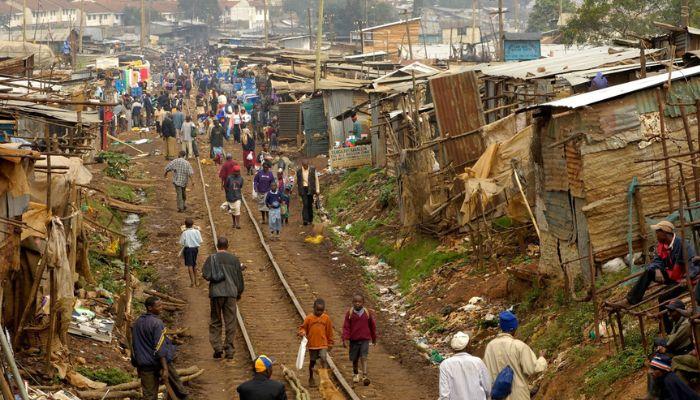



Despite Nigeria’s recent economic stabilization efforts, approximately 139 million citizens still live in poverty, according to the World Bank.
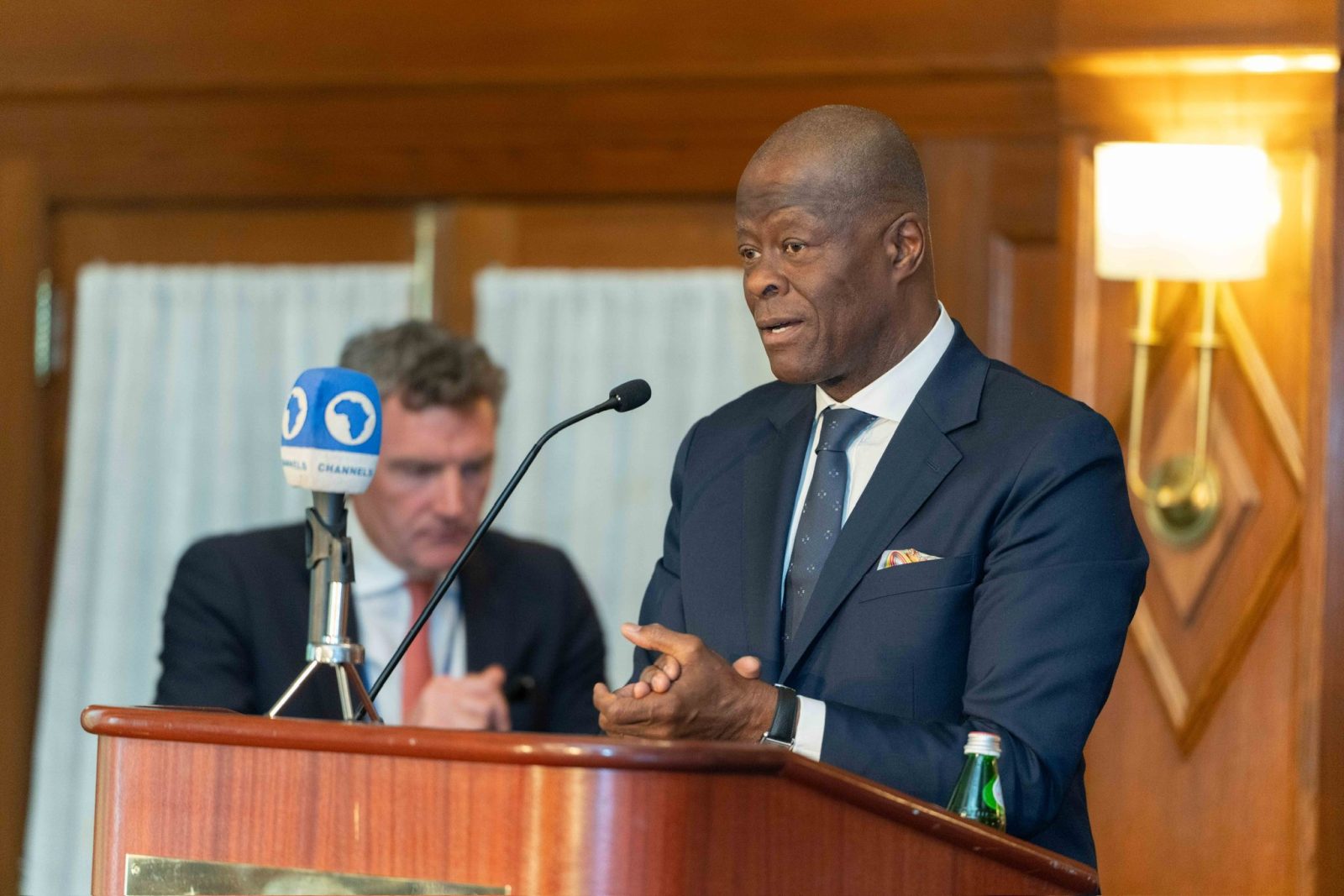
This alarming figure was highlighted by World Bank Country Director for Nigeria, Mathew Verghis, at the launch of the October 2025 Nigeria Development Update in Abuja.
The report noted that Nigeria’s economic reforms, although commendable, have not yet improved the living standards of ordinary Nigerians.
Verghis said that Nigeria’s bold reforms in the exchange rate and petroleum subsidy regimes are “foundational” steps that could reshape the country’s long-term economic trajectory.
“Over the last two years, Nigeria has commendably implemented bold reforms, notably around the exchange rate and the petrol subsidy,” Verghis said.
“These are the foundations on which the country has the opportunity to build a programme that can transform its economic trajectory.”
The reforms have already yielded positive results, including rising growth, increased revenues, and improving debt indicators.
However, the World Bank chief emphasized that these macroeconomic improvements have not translated into improved living conditions for ordinary Nigerians.
“Despite these stabilisation gains, many households are still struggling with eroded purchasing power,” Verghis stated.
“Poverty, which began to rise in 2019 due to policy missteps and external shocks such as COVID-19, has continued to increase even after the reforms.”
The report estimates that 139 million Nigerians live in poverty, a significant increase from 87 million in 2023.
To address this pressing concern, the World Bank has identified three critical priorities: reducing inflation, utilizing public resources more effectively, and expanding social protection coverage for the poor and vulnerable.
Verghis emphasized that addressing food inflation must be at the heart of Nigeria’s policy response, warning that persistently high food prices could erode political support for reforms and hinder recovery.
“Food inflation affects everybody, particularly the poor,” he said.
The World Bank is committed to supporting Nigeria’s economic reform agenda through policy advice, technical assistance, and financing.
Verghis stressed that success would depend on sustained political will and inclusive dialogue.
“The challenge is clear: to translate the gains from the stabilization reforms into better living standards for all,” he said.
“These are not abstract ideas but practical steps that can turn macro stability into better livelihoods.”
Author








Leave a comment