




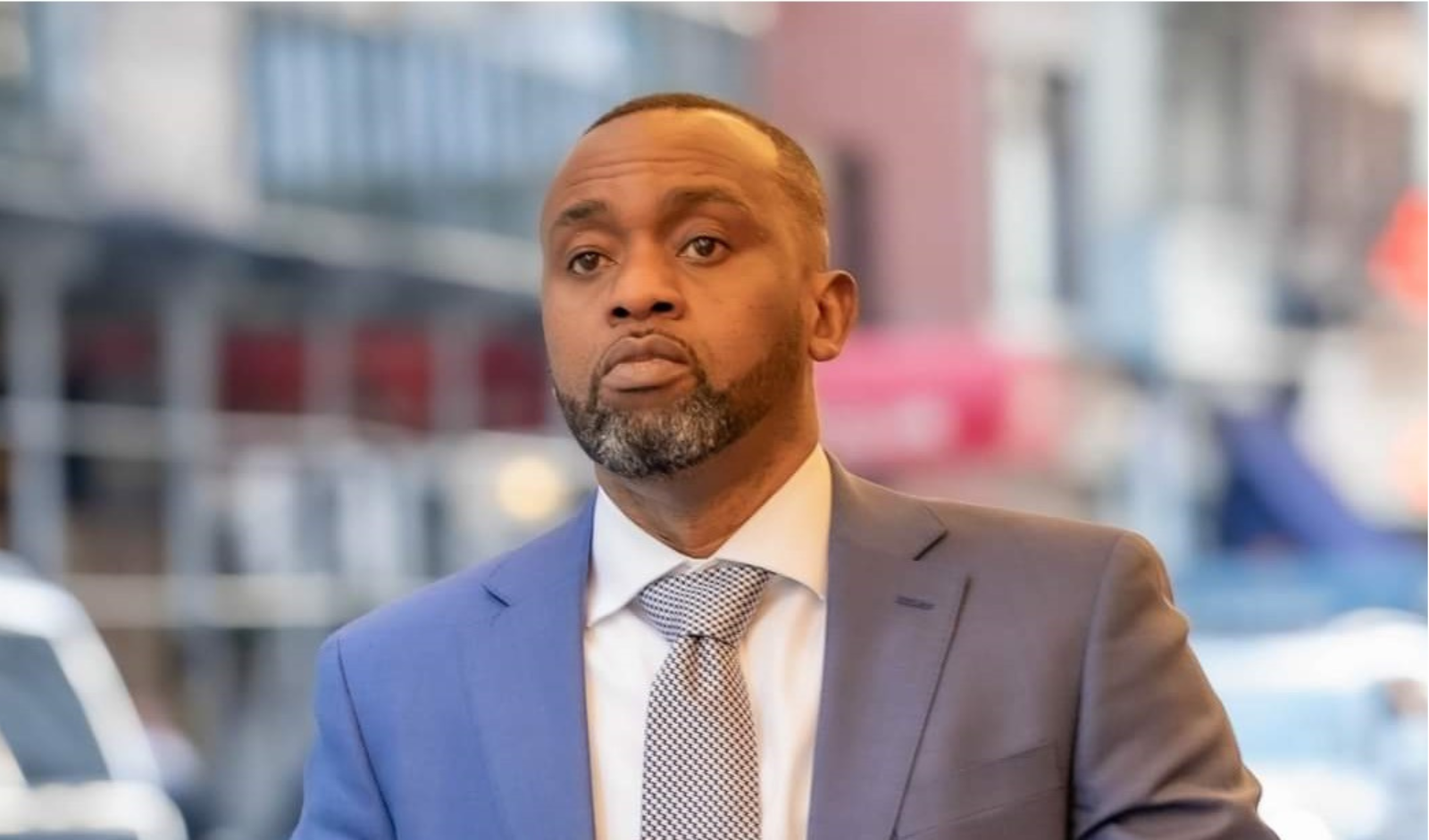



By Olufemi Soneye
In recent weeks, an unsettling trend has quietly unfolded: the United States Embassy in Nigeria has begun revoking valid visas previously issued to Nigerian citizens. This is not rumor or speculation. Dozens of affected Nigerians, professionals, entrepreneurs, and frequent travelers have received formal letters instructing them to submit their passports at the consulate in Lagos or Abuja, only to have their visas unceremoniously canceled.
What makes this development even more alarming is the veil of silence surrounding it. I have personally reviewed at least eight such cancellation letters. The notices cite Title 22, Code of Federal Regulations, Section 41.122 as the legal basis, vaguely stating that “new information became available after the visa was issued.” Beyond that, nothing is explained. No evidence is shared. No avenue for appeal is offered. Recipients are merely advised to reapply if they wish, an instruction that provides no comfort to those suddenly stripped of their mobility.
For many, this is not just about stamps on a passport. These visas are lifelines for education, family reunions, medical treatment, and critical business. To have them snatched away without explanation is to leave lives suspended in confusion and despair.
Among those affected is a prominent Nigerian journalist, the head of a federal parastatal scheduled to deliver an international address, and a respected Abuja entrepreneur with a spotless travel record. Each had to abruptly cancel engagements, refund tickets, and explain to partners abroad why they could no longer show up. In some cases, the humiliation has been unbearable: travelers discovering at the airport, sometimes even at boarding gates, that their visas had been quietly invalidated. A few were briefly detained by immigration authorities before being sent home in shame.
These are people who never overstayed their visas, never violated immigration rules, and never raised red flags. So what changed?
The wave of cancellations appears to reflect an unspoken tightening of U.S. visa policy toward Nigerian travelers. Since the late 2010s, Washington has steadily increased scrutiny of nationals from high-migration countries, with Nigeria frequently on that list. Leaked documents from the Trump administration era revealed guidance that encouraged officers to flag entire demographics rather than review cases individually. What Nigerians face today seems to be a continuation if not an escalation of that troubling practice.
The Ministry of Foreign Affairs must urgently respond by issuing a public statement, lodging a formal protest, and demanding clarity. Failure to act diminishes Nigeria’s dignity and leaves its citizens vulnerable to arbitrary treatment. Diplomats owe it to Nigerians to press for transparency, insist on accountability, and defend the rights of those who have abided by every rule yet now find themselves punished without cause.
At its core, this issue is about more than visas. It is about fairness, reciprocity, and human dignity. Nigerians deserve to know why their travel rights are being revoked. If the U.S. government has legitimate grounds, those grounds must be clearly stated. Cryptic references to “new information” are not enough between two nations that claim to be partners.
This is a quiet crisis with devastating human costs. Careers are disrupted, families are torn apart, dreams are deferred, and dignity is diminished. Nigerians remain stranded in a cruel limbo, their plans destroyed and their future uncertain.
Soneye is a seasoned media strategist and former Chief Corporate Communications Officer of NNPC Ltd, known for his sharp political insight, bold journalism, and high-level stakeholder engagement across government, corporate, and international platforms
Author





Leave a comment