













…adhering to safety standards key to safe GMO foods – NAFDAC DG
Divergent views have continued to trail consumption of Genetically Modified Organism (GMO) foods in the country with some arguing that GMOs are harmful and can cause health issues such as kidney stones, infertility, and even cancer.
Others believe that genetically modified foods (GMOs) are safe for human consumption, provided they adhere to safety standards.
Mr. Olusola Malomo, the Chief Dietitian of the Lagos State Health Service Commission, however, countered that GMOs are harmful, saying these claims lack scientific evidence.
He noted that Nigerian scientists from institutions such as the National Biotechnology Research and Development Agency (NBRDA) emphasize that GMOs are subject to extensive testing before being approved for consumption.
He said: “Some activists and medical professionals urge tougher controls or outright bans on GMOs, pointing to fears that certain modifications could elevate cancer risk, impair fertility, or disrupt endocrine function.
“In response, leading Nigerian scientists challenge these assertions—Prof. Abdullahi Mustapha and others note there is no credible, peer-reviewed evidence linking GMO consumption to such outcomes and have demanded proof of toxicity from critics.”
Malomo stated that the global scientific consensus is that approved GMO foods present no greater safety risk than their conventional counterparts, provided they undergo rigorous, case-by-case evaluation.
“Long-term studies comparing populations with and without GMO exposure (for example, the US versus the UK) have found no significant differences in rates of cancer, kidney disease, obesity, coeliac disease, diabetes, or allergies,” he said.
International organizations like the World Health Organization (WHO) and the Food and Agriculture Organization (FAO) have deemed GMOs safe, but many Nigerians are calling for independent, country-specific research.
Public concerns focus on potential health risks, such as allergic reactions, long-term health effects, and the development of antibiotic resistance.
Critics also worry about the environmental impact, including the loss of biodiversity, the genetic contamination of local seeds, and a greater reliance on pesticides.
Some experts are concerned that GMOs could empower large biotechnology corporations, potentially displacing small farmers and threatening Nigeria’s food sovereignty.
In an exclusive interview with Persecondnews on Friday, August 8, Malomo stated that efforts are being made to align GMO practices with religious principles, particularly within Muslim communities, to ensure food is considered halal and tayyib (pure and wholesome).
He advised the National Agency for Food and Drug Administration and Control (NAFDAC) and the National Biosafety Management Agency (NBMA)—which have already approved GMO foods—to maintain rigorous and transparent testing and approval processes.
Malomo also stressed that purchasing GMO food should be a personal choice, so it’s important for these products to be clearly labeled.
Expressing concern over widespread misinformation, he recommended public education and awareness initiatives to build consumer trust.
He said: “GMOs can be engineered to enhance nutrient profiles, directly addressing micronutrient deficiencies prevalent in Nigeria.
“Examples include provitamin A–enriched staples like “Golden Rice” and iron-fortified legumes, which promise to reduce vitamin A deficiency and anemia among vulnerable groups.
“Biofortified crops such as cassava, maize, beans, and cowpea with enhanced carotenoid content, iron, zinc, and improved protein quality can provide targeted nutritional benefits.
“As a Dietitian Nutritionist, the first contact I had with GMO product , yellow cassava and oranges fleshed sweet potato was in 2017, at the conference of Nutrition Society of Nigeria, Ibadan.
“The GMO varieties were introduced at the conference by HARVEST PLUS and IITA. Various products that can be produced from these food items were exhibited, and we had the opportunity to taste them and ask questions from the exhibiting team from HARVEST PLUS.
“Since this experience, I have planted the yellow cassava and used it to make ‘garri’. I observed that the yellow cassava, which is enriched with vitamin A, does not require palm oil during processing, and the yield per kilogram is higher per square meter compared to local cassava varieties.”
The multiple award-winning dietitian also emphasized the importance of monitoring biodiversity, soil health, and pest resistance to properly assess the environmental impact of these crops.
He said: “A major safety issue centers on glyphosate and Bacillus thuringiensis (Bt) toxins used in many GMO crops.
“Dr. Jackie Ikeotuonye, CEO of BFA Integrative Health & Wellness Clinic, argues that transgenic plants producing their own insecticidal proteins effectively act as living pesticides, which may leave harmful glyphosate residues in human tissues and contribute to chronic health problems.”
Malomo highlighted the potential benefits of GMO foods for Nigeria, including enhanced food security through drought-tolerant and pest-resistant crops.
“These crops could also foster climate resilience by helping farmers adapt to erratic weather and soil degradation. Local GMO crop production could drive economic growth by boosting agricultural productivity and reducing food costs.”
Comparing GMO and organic foods in terms of safety, Malomo stated that GMO crops undergo rigorous, case-by-case evaluations for toxicity, allergenicity, and environmental impact by national and international bodies before approval for cultivation or consumption.
He noted that organic foods, on the other hand, are certified under standards that prohibit synthetic pesticides, fertilisers, and genetic engineering, but do not require genetic or allergenicity testing beyond residue analysis for approved natural inputs.
Malomo added that organic farming minimises synthetic pesticide residues on produce, thereby reducing associated risks such as certain cancers and neurological disorders linked to long-term chemical exposure.
However, he also pointed out that many GMO varieties are engineered for herbicide tolerance (for example, glyphosate), which can lead to increased overall herbicide use and potential residue accumulation in food and the environment, raising concerns about the effects of chronic exposure.
Meanwhile, Prof. Mojisola Adeyeye, Director-General of NAFDAC, had reiterated on Wednesday, August 6, that genetically modified foods (GMOs) are safe for human consumption, provided they adhere to safety standards.
Adeyeye made this statement during her appearance on Channels Television, monitored by Persecondnews, on Wednesday, August 6.
She said: “GMOs are not bad for us. It depends on the type of food and whether safety considerations have been met.”
Adeyeye explained that the NBMA is the body mandated to ensure the safety of GMO products, whilst NAFDAC collaborates with them to ensure food quality.
“We have an MoU with the Biosafety Management Agency. They certify that GMO foods are safe before NAFDAC can approve them for the market,” she said.
Adeyeye, who described herself as a “food freak,” urged consumers to check food labels for GMO indications and reassured Nigerians that all approved products are subject to rigorous evaluation.
“Our goal at NAFDAC is to ensure that the food we approve is safe, of good quality, and efficacious,” she said.
Chidera Jessica Umeh, a dietician based in Anambra, holds a different view. She believes GMO foods are not safe and that divine intervention is what’s protecting Nigerians from their potential harm.
Speaking exclusively to Persecondnews on Saturday, August 9, Umeh, who runs a private practice, stated that it’s possible to identify altered produce.
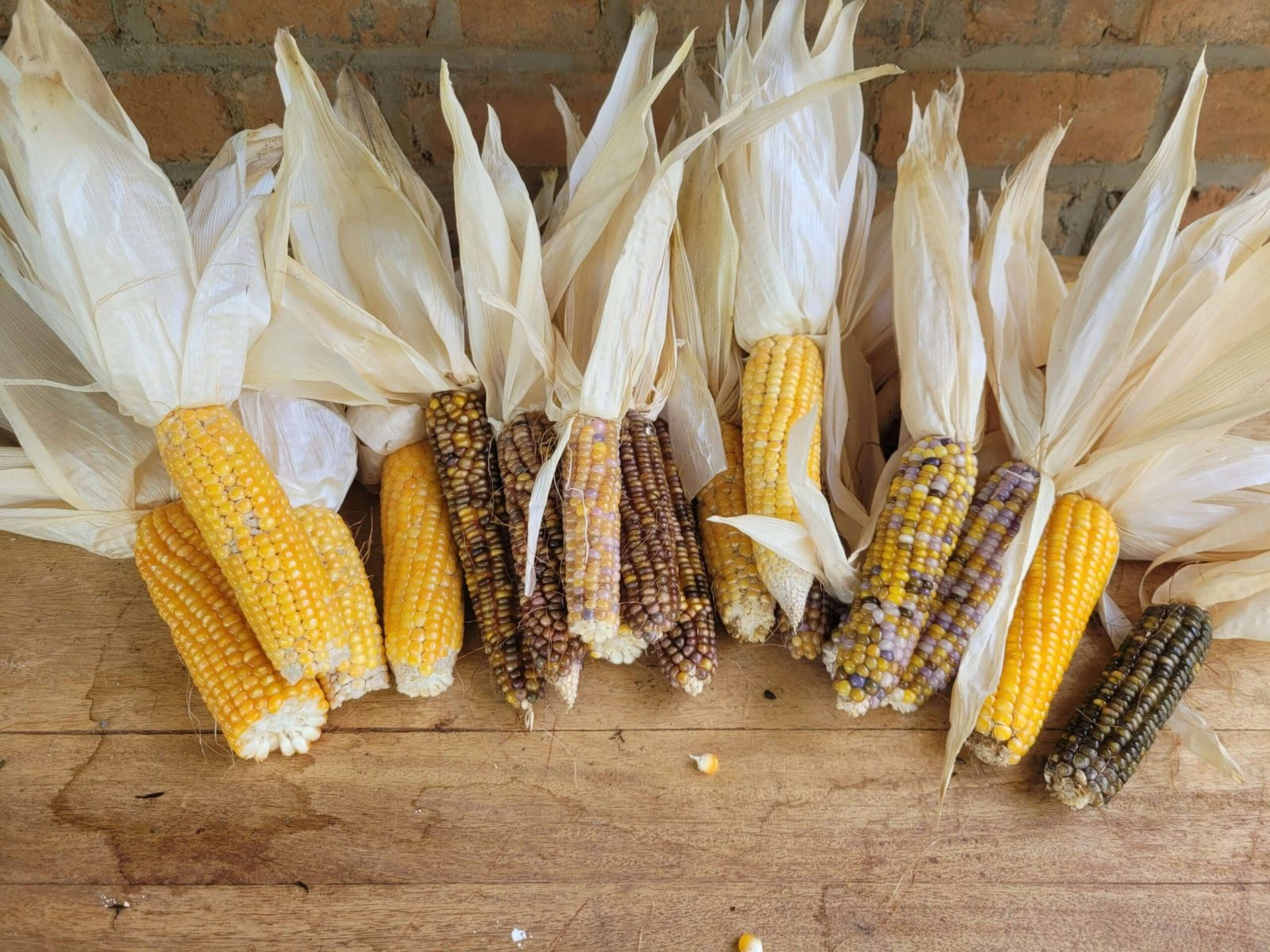
For example, she said that red apples that aren’t “super red,” along with some corn and beans, may be genetically modified.
“Lately, I have noticed that when I want to cook beans, they get done in about 20 minutes, whereas they used to take around an hour,” she said.
Umeh advised Nigerians to establish a home garden, saying that she was aware farming was not for everyone, but it had become crucial for individuals to learn for their own safety.
She said: “For instance, after washing peppers, instead of pouring the water down the sink, pour it into your backyard. After a while, you will notice peppers starting to grow.
“Many people might not take to this idea, but if you have the means, you can employ gardeners to tend to your garden.
“Given the current situation, some GMOs are not beneficial for our health; they are causing illnesses like kidney stones. We have all consumed them, and it is only through divine intervention that we are still standing.
“This is my own opinion; some might argue that GMOs have positive effects, but I would say the negative consequences far outweigh the benefits. When the repercussions manifest in our health, we will end up spending money on treatment. If we see the truth, we must speak out.”
Expressing concerns about the impact of GMO foods on children, who she described as Nigeria’s future, Umeh noted that it is crucial for parents to be aware of the right foods to give them.
She referenced the mottos that dietitians and nutritionists often cite: “We are what we eat” and “Food is the best medicine.”
She also said: “My question is often whether the people who produce these kinds of food actually consume the products they produce. Sometimes, I believe they do not always eat what they produce because they are aware of the processes it has undergone.
“For example, this week is World Breastfeeding Week, and we address issues like nursing mothers who opt for artificial milk instead of breastfeeding their babies naturally.
“A child from 0 to 6 months should exclusively breastfeed, as breast milk is crucial for the baby’s development. However, some people do not follow this advice.
“Breast milk contains about 70% water, so there is no need to worry about giving the baby additional water; breast milk is sufficient.
“Therefore, it is essential to give children and kids wholesome food like vegetables. I also advise checking the source of the vegetables and, when buying them, not letting the vendors cut them at the market. Instead, take them home, wash, and cut them yourself.”
Supporting the use of GMOs, Dr. Chinonso Fidelis Egemba, a well-known Nigerian medical professional also known as “Aproko Doctor,” recently released a video acknowledging that GMO seeds’ resistance could allow them to outcompete natural seeds.
He suggested strategies like labeling and separating GMO farms from traditional farms to reduce potential impacts on biodiversity.
Though some have questioned his position, given his past health advice, he clarified that his stance is based on scientific studies and encouraged people to make informed decisions.
The National Biosafety Management Agency (NBMA) has already approved several GMO crops for commercial use, including Bt cotton, Bt cowpea, and Tela maize.
Despite assurances from the National Agency for Food and Drug Administration and Control (NAFDAC), many Nigerians remain skeptical about genetically modified foods, believing the approval process was rushed and lacked public consultation.
Author










Leave a comment