












President Bola Tinubu has again approached the National Assembly for approval of two significant financial initiatives: an external borrowing plan of $21.5 billion and the issuance of domestic bonds totaling N757.9 billion to address outstanding pension liabilities.
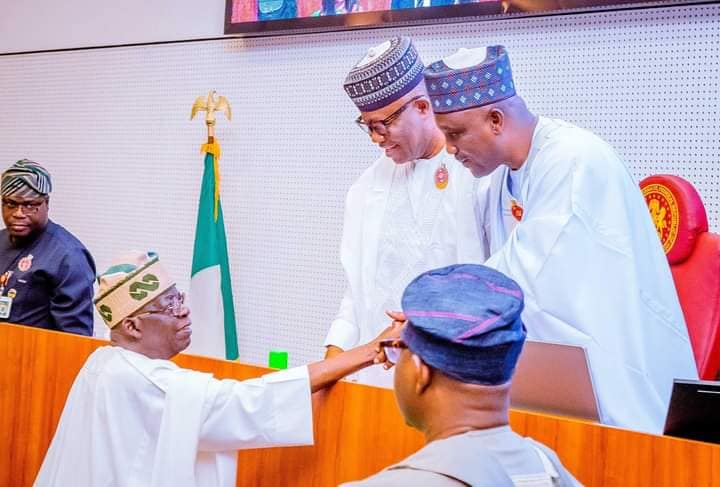
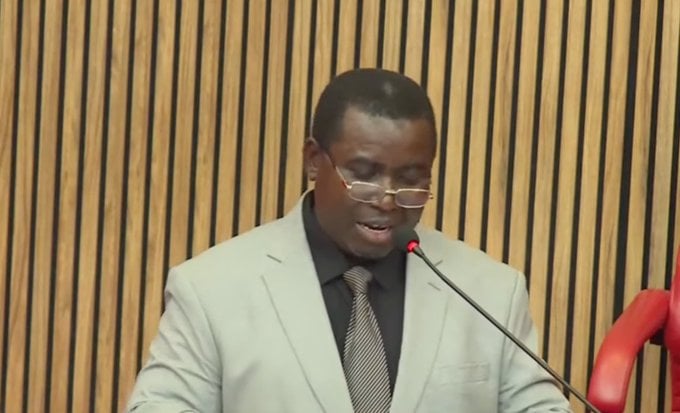
These requests were formally submitted to the National Assembly on Tuesday through three separate letters. Speaker Tajudeen Abbas read the letters aloud on the floor of the House of Representatives.
One of the key requests in the letters is for the National Assembly to approve the creation of a foreign currency-denominated issuance program within Nigeria’s domestic debt market.
The proposed capital raise of up to $2 billion would be implemented by the Debt Management Office, in accordance with the Presidential Executive Order on Foreign Currency Denominated Financial Instruments, Local Issues Programme, 2023.
The President said the bond proceeds would be allocated to critical sectors of the economy to drive growth, improve infrastructure, create jobs, and increase foreign exchange inflows.
He further noted that this initiative would provide dollar-denominated investment opportunities for local investors, deepen Nigeria’s financial market, and bolster foreign reserves while promoting exchange rate stability.
The President said that the total facility sought under the external borrowing plan comprises $21,543,647,912, €2,193,856,324.54, and ¥15 billion, alongside a €65 million grant.
He observed that the proposed borrowing is essential due to the removal of fuel subsidy and its far-reaching economic implications for the country and its people.
Tinubu said: “In light of the significant infrastructure deficit in the country and the paucity of financial resources needed to address this gap amid declining domestic demand, it has become essential to pursue prudent economic borrowing to close the financial shortfall.”
The President assured the lawmakers that the proposed funds would be directed towards critical infrastructure projects, particularly in railways, healthcare, and nationwide development programmes across all 36 states and the Federal Capital Territory.
“This initiative aims to generate employment, promote skill acquisition, foster entrepreneurship, reduce poverty, and enhance food security, as well as to improve the livelihoods of Nigerians,” he added.
Tinubu recognised, however, that the programme would lead to a rise in Nigeria’s public debt stock and associated servicing costs.
In a second letter, President Tinubu requested approval for issuing Federal Government of Nigeria bonds totalling N757.98 billion to settle outstanding pension liabilities under the Contributory Pension Scheme as of December 2023.
Citing the Pension Reform Act 2014, Tinubu noted that the government had faced challenges meeting its pension obligations due to revenue constraints.
He argued that settling the outstanding liabilities would ease hardship for retirees, restore confidence in the pension system, boost morale among public servants, and stimulate economic growth by increasing liquidity.
The President explained that the proposed bond issuance had received approval from the Federal Executive Council on February 4, 2025, and highlighted both the benefits and cost implications, including the expected increase in public debt stock and associated debt servicing obligations.
Tinubu appealed to lawmakers for timely approval, assuring them of his administration’s commitment to transparency and accountability.
“While I look forward to the progression and timely approval of the House of Representatives, please accept, Your Honourable Speaker, the assurances of my high regards,” he wrote.
Persecondnews reports that the request has been referred to the relevant House Committees for further legislative action, including the Committees on National Planning and Economic Development and Pensions.
Author







Leave a comment