










By Joycelyn Ellakeche Adah
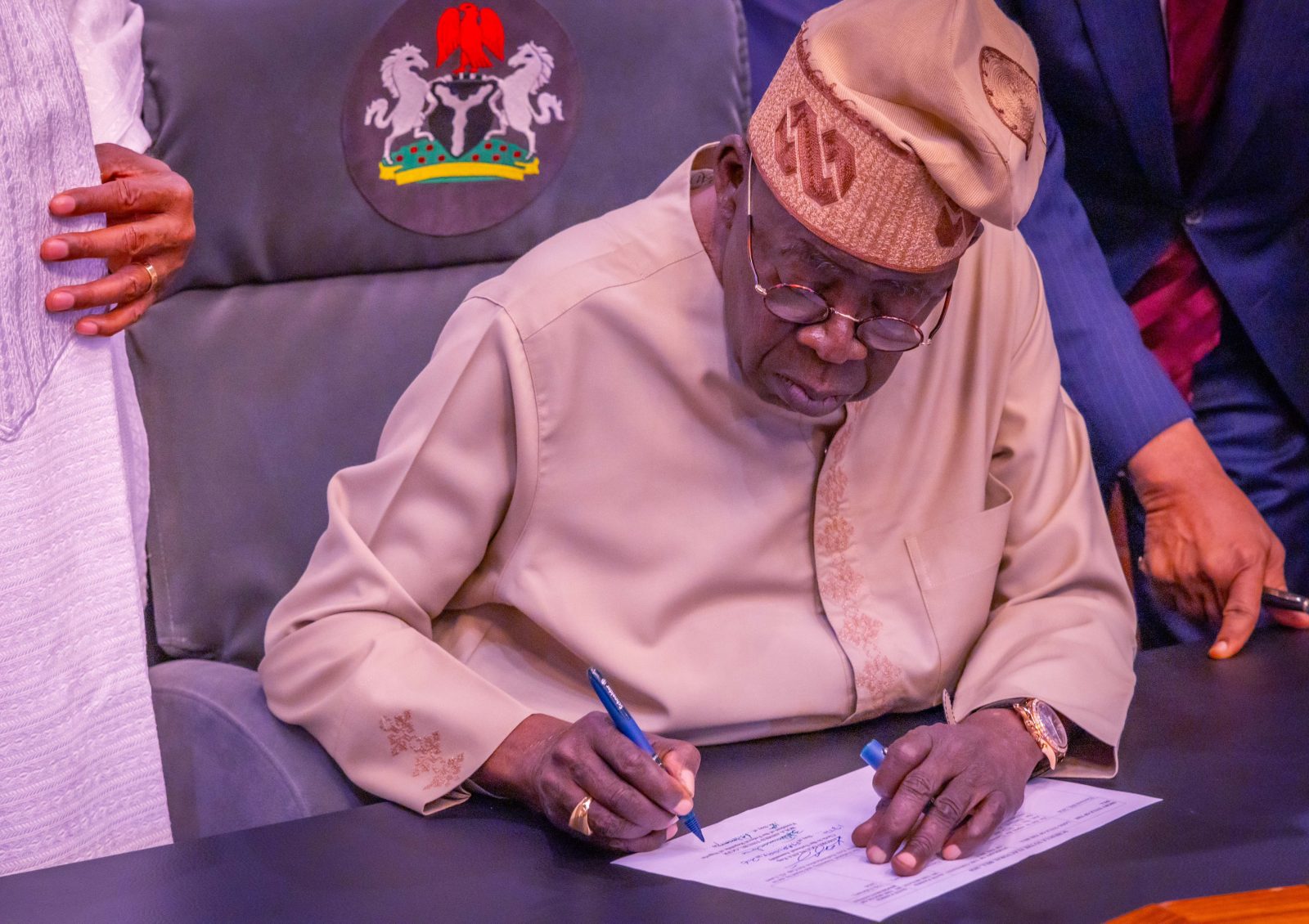
In a significant step towards implementing the Electricity Act 2023, the Federal Government has officially approved the National Integrated Electricity Policy (NIEP), a comprehensive plan designed to transform Nigeria’s power sector.
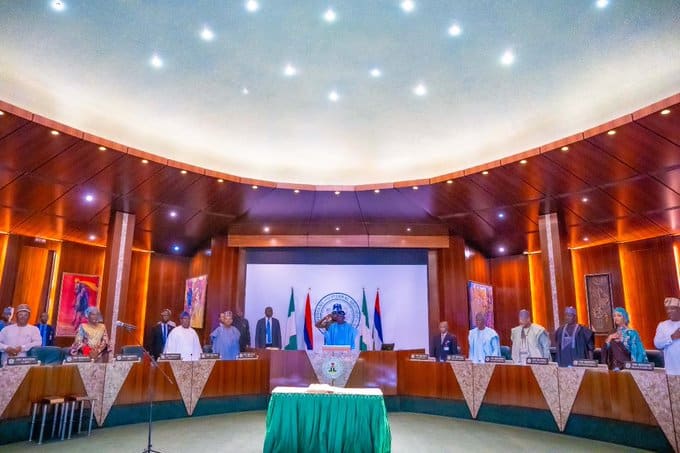
The ratification occurred during Monday’s Federal Executive Council (FEC) meeting. This decision follows the policy’s initial submission to President Bola Ahmed Tinubu in December 2024.
A statement from Bolaji Tunji, Special Adviser on Strategic Communications and Media Relations to the Minister of Power, Chief Adebayo Adelabu, described the development as a significant step forward in addressing the nation’s long-standing energy challenges.
He noted that the policy’s implementation has already commenced and will now proceed with greater momentum following the President’s endorsement.
Adelabu emphasized that the Electricity Act 2023 mandates the Federal Government, through the Ministry of Power, to develop and publish a National Electricity Policy and Strategic Implementation Plan within one year of the Act’s commencement.
“The NIEP fulfills this statutory requirement, establishing a clear, actionable framework for sustainable power generation, transmission, distribution, and the integration of renewable energy sources.
“This roadmap addresses the critical challenges of our electricity sector with guidelines for efficiency, governance reform, renewable energy integration, and enhanced infrastructure,” the Minister stated.
“It also provides a unified direction for all stakeholders – federal and state governments, market participants, investors, and consumers – to achieve a resilient, reliable, and inclusive electricity supply system.”
Highlighting the policy’s significance, Adelabu called it a major evolution from the outdated National Electric Power Policy of 2001.
He noted that the new strategy reflects the collaborative input of stakeholders across the public and private sectors, including development institutions, academia, civil society, and industry leaders.
Adelabu reiterated the policy’s flexible and forward-looking nature, describing it as a “living document” that will evolve in response to the sector’s emerging needs and challenges.
“It underscores our commitment to innovation, accountability, consumer protection, and sustainable development,” he said.
Persecondnews recalls that the NIEP is structured across eight chapters that covers: historical overview of Nigeria’s electricity sector, key elements of the Electricity Act 2023, national electricity policy objectives, market design and value chain analysis, and roles and responsibilities of stakeholders.
Others are climate change and low-carbon initiatives, gender equality and social inclusion, local content development, research and innovation, commercial, legal, and regulatory frameworks.
Author









Leave a comment