











With the December 2024 deadline fast approaching, the Nigerian government is hastening to meet the European Union’s (EU) new regulations to ensure uninterrupted cocoa exports to Europe.
The European Union’s Deforestation Regulation (EUDR) requires that products, including wood, palm oil, soy, coffee, cocoa, rubber, and cattle, as well as their derivatives, such as cocoa beans, cocoa products, and chocolate, must be deforestation-free and legally produced to be eligible for entry into the EU market.
Persecondnews recalls that the regulation came into effect on June 29, 2023, with an 18-month transitional period ending on December 30, 2024, after which it will be fully enforced and implemented.
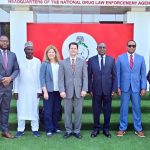
The Ministry of Agriculture and Food Security established Nigeria’s National Cocoa Management Committee as a regulatory body, and it convened a crucial meeting in Abuja with stakeholders across the cocoa value chain to boost production and address compliance gaps with EU standards, ensuring a sustainable and competitive cocoa industry.
The Committee serves as the central authority governing the cocoa industry, overseeing all aspects of the sector.
Its membership encompasses a broad range of stakeholders from across the cocoa value chain, ensuring a comprehensive and representative approach to regulation.
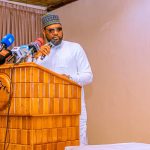
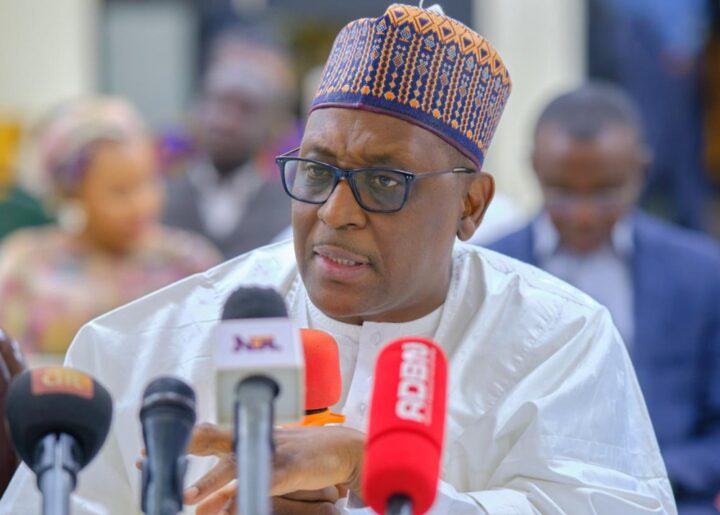
Mr. Patrick Adebola, Executive Director of the Committee, warned that Nigeria’s cocoa industry faces a significant threat if it fails to comply with the EU’s deforestation regulation (EUDR).
He stressed that non-compliance would result in losing the European market for Nigerian cocoa beans and products, which would have a devastating impact on the value chain, given that 70% of Nigeria’s cocoa beans are exported to Europe, the country’s largest market.
Speaking to journalists, he said: “The key issue that we are discussing in this meeting is the issue of the EUDR regulation on our cocoa that will come into force in December this year.
“If we are found not to be compliant, it means our cocoa beans may not be accepted to be sold in European markets. That is the reason why we are putting our heads together to see how we can start to discuss compliance with EUDR.”
He also announced that the World Cocoa Foundation is offering assistance to help Nigeria meet the EUDR standards.
He, however, expressed concerns that the regulation is overly stringent and unfair, suggesting that the EU failed to engage in adequate consultations with cocoa-exporting countries like Nigeria before implementing the regulation, which may have a disproportionate impact on their industries.
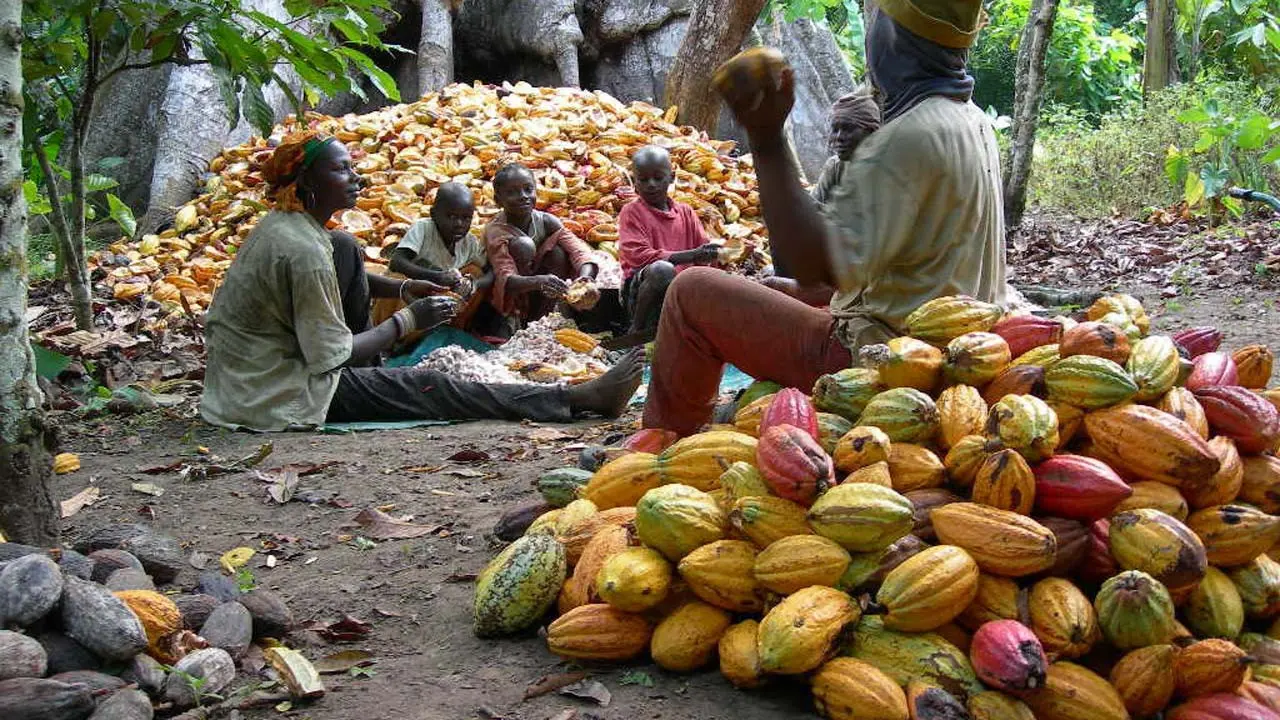
Adebola explained that the regulation not only bans cocoa harvested from deforested areas but also prohibits cocoa produced using child labour.
He said the EU’s definition of child labour may not be applicable in the Nigerian context, suggesting that the regulation’s requirements may not align with the country’s cultural and economic realities.
He said:”One of the contentious issues in this regulation is that they don’t want cocoa beans that are being harvested from deforested areas because deforestation leads to environmental degradation.
“Even though we are arguing with them that when you cut down a tree and plant a cocoa tree, that is not deforestation. We were not given an opportunity to discuss before the EU regulation.
“We feel these regulations are very stringent, and Nigeria will need a lot of help in order for us to comply with this stringent regulation. We see it as being unfair, and we felt that countries that are involved were not really fully engaged before this EUDR was rolled out.
“Our own situation is peculiar, and what they see as child labour might not necessarily be child labour in our own Nigerian context. So all those issues need to still be discussed.”
Adebola urged the EU government to grant an extension to allow exporting countries sufficient time to prepare and comply with the regulation.
He estimated that only about 50% of exporting countries will be able to meet the December 2024 deadline, emphasizing the need for more time to ensure a smoother transition and avoid disrupting the global cocoa supply chain.
“We are voicing out to make sure that the EU either gives us a little bit more time to prepare for the compliance or to look at regulations all over to see whether there is a way to relax that regulation and make it less stringent.”
Mr. Mufutau Abolarinwa, the President of the Cocoa Association of Nigeria (CAN), said the meeting aimed to not only address compliance with export standards but also identify strategies to boost cocoa production.
He expressed concern that, despite having 16 cocoa-producing states, Nigeria’s production remains below 300,000 metric tonnes, which is a significant shortfall considering the global surge in cocoa prices.
Abolarinwa appealed to the government to offer additional support to the cocoa industry by providing subsidies for costly herbicides and chemicals and to reinstate the waiver on hydrocarbon jute bags, which are essential for exporting cocoa, in order to boost production and competitiveness.
“That waiver has to be returned without any further delay by the federal government, or else Nigerian cocoa is in danger for export in this coming cocoa season.”
Mr. Adeola Adegoke, the National President of the Cocoa Farmers Association of Nigeria, expressed delight over the current cocoa prices, which have lifted farmers out of poverty, enabling them to earn a decent income and ‘smile to the bank.’
He highlighted that cocoa is a lucrative crop, with a tonne selling for approximately N11 million, presenting a significant opportunity for Nigeria to generate valuable foreign exchange and also invest in local production.
Nigeria cannot afford to neglect the cocoa industry; instead, it should increase its investment in it, Adegoke said.
Author










Leave a comment