














1. Infrastructural Development: Frees up public funds for more meaningful infrastructure and developmental program that stimulates industrialization, create jobs, economic growth and social prosperity. For example:
*Almost N12 trillion spent on subsidy in the last 4 years is more than sufficient to develop any of the following projects:
-2,400, hospitals of 1000-bed capacity across 774 LGA
-or 500,000 new houses to provide shelter to over 3.5 million Nigerians
-or 27GW of electricity generation
-or skill up and provide education up to tertiary levels for over 2 million Nigerians
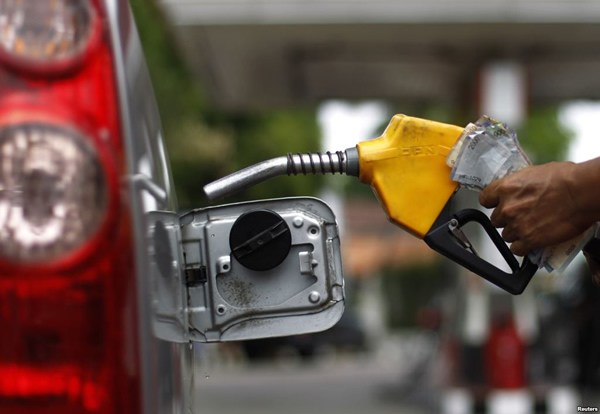
2. Grow Domestic Refining: Subsidy removal creates a market reflective downstream which invariably stimulates more downstream investments, especially in the domestic refining space, thereby creating more jobs, prosperity, and growth.
3. Reduce Gasoline Smuggling and Diversion: The removal of fuel subsidy eliminates the unhealthy price arbitrage with neighboring countries thereby preventing the diversion and smuggling of gasoline outside the nation’s borders which bleeds our economy.
4. Reduce Corruption: It also reduces corruption surrounding internal product diversion as many marketers procure gasoline at subsidized regulated wholesale prices but still sell at deregulated retail prices.
5. Resource Rebalancing: The rich benefit more from the subsidy than the poor as they have a higher number and capacity of vehicles to buy more gasoline; removal of the subsidy creates an opportunity to redistribute this benefit directly to those who need it more.
6. Stimulate Responsible Consumption Reducing Waste: Waste makes want. Subsidy removal enables responsible gasoline consumption which reduces waste as the prices are more market reflective and the demand for the product will rebalance itself with the new price realities
7. Grow upstream Production: Subsidy removal allows the full recovery of upstream revenues which enables reinvestment required to grow our national petroleum production and reserves and overall forex earnings.
8. Strengthen the Naira: Growth of our forex earnings combined with a reduction in product consumption reduces pressure on forex thereby strengthening the Naira.
9. Reduce Product Scarcity: Open market reflective prices bring in more players, create a more efficient market thereby reducing fuel scarcity and its adverse effects on the economy.
10. Reduce Growing Deficit and Public Debt: Subsidy removal reduces the growing and unsustainable Budget deficit and consequently the debt burden creating a more robust economic and sustainable future.
In conclusion, removal of subsidy allows for better use of public funds to achieve more meaningful infrastructural development programs which will be more beneficial to Nigerians and grow the economy.
Author










Leave a comment