













[dropcap]N[/dropcap]igeria’s economic growth remain broadly unchanged in 2015 and 2016, significantly below the country’s long-term potential, shows the PwCs recent economic paper, Boosting Investments: Nigeria’s path to growth, estimates the size of investment needed to drive growth.
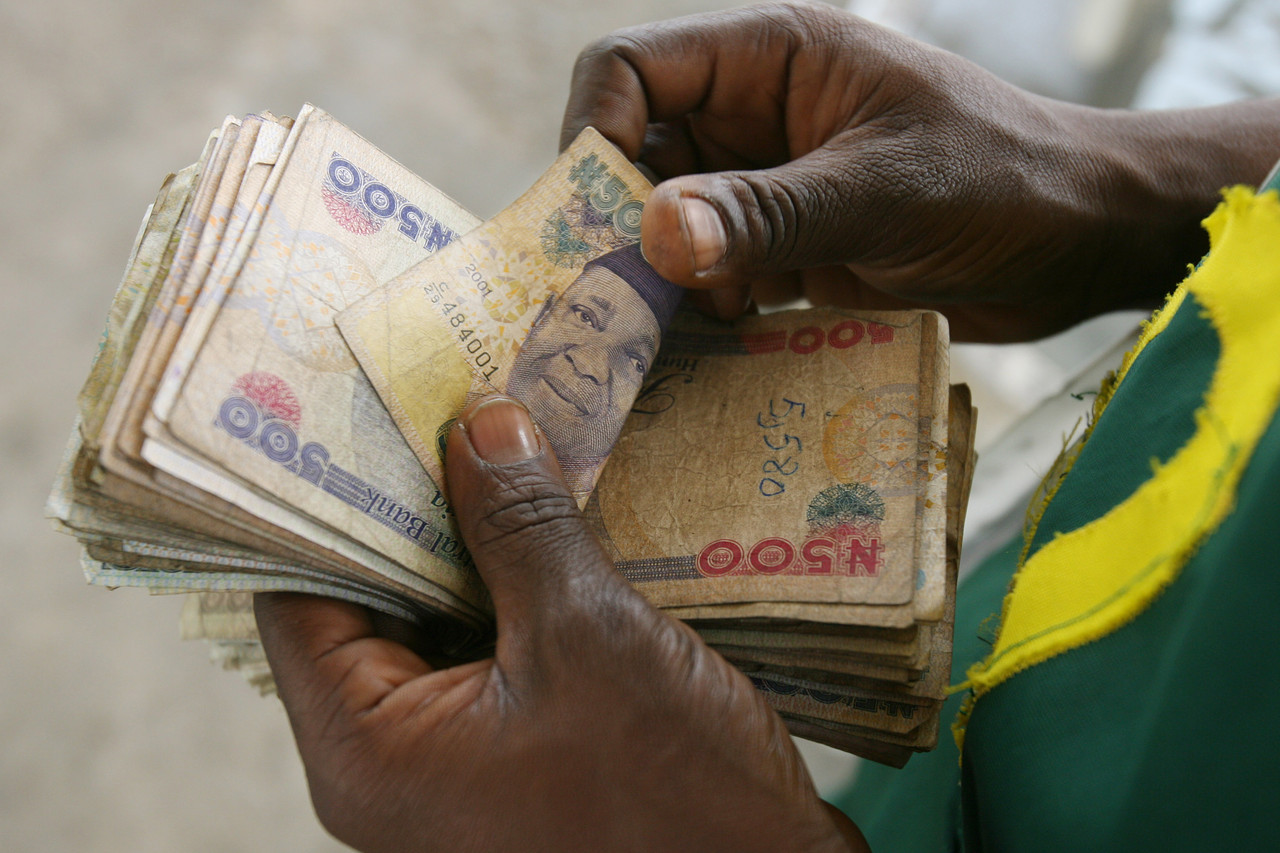
The study shows that between 2007 and 2016, Nigeria’s investment share of GDP declined from 18.7% to 12.6%, reaching the lowest level in the past two decades. In comparison to peers, Nigeria’s investment rate lags the average of 23.3% recorded for sub- Saharan African countries, and 28.9% for the BRICS (Brazil, Russia, India, China, and South Africa).
“Growth in Nigeria has been relatively strong at an average of 5.6% per annum over the past decade. However, this has been fueled by the oil boom and population expansion, rather than investments.”

The foreign exchange regime remains key to stimulating investment, PwC said.
“While foreign exchange liquidity has improved in recent times as the Central Bank of Nigeria (CBN) allows for more flexibility in the foreign exchange market, the existence of multiple exchange rates with significant variances poses a risk to investment. In our view, a market-determined exchange rate, where all rates are harmonized, is fundamental to boosting domestic and foreign investments, the report suggested.
PwC projects that Nigeria could emerge the 14th largest economy in the world by 2050, with GDP in Market Exchange Rate (MER) terms at US$ 3.3 trillion. To deliver sustainable growth with per capita gains, Nigeria will need to aggressively boost domestic and foreign investments over the next decade.
According to the PwC, an extensive review of 26 economic papers was conducted to identify the key determinants of economic growth, particularly in the emerging and developing economies.
“We find that investment is the most fundamental driver of growth, with positive and statistically significant coefficients, PwC said.
PricewaterhouseCoopers is a multinational professional services network headquartered in London, United Kingdom. It is the second largest professional services firm in the world, and is one of the Big Four auditors, along with Deloitte, EY and KPMG
Adedayo Akinbiyi and Andrew S Nevin (PhD) can be contacted for further discussion on the report.
Author








Leave a comment