













By Omoyeni Ojeifo
To deepen citizen participation and rebuild public trust in West African integration, the West Africa Democracy Solidarity Network (WADEMOS) is calling on ECOWAS to establish an Economic and Social Council (ECOSOCC).
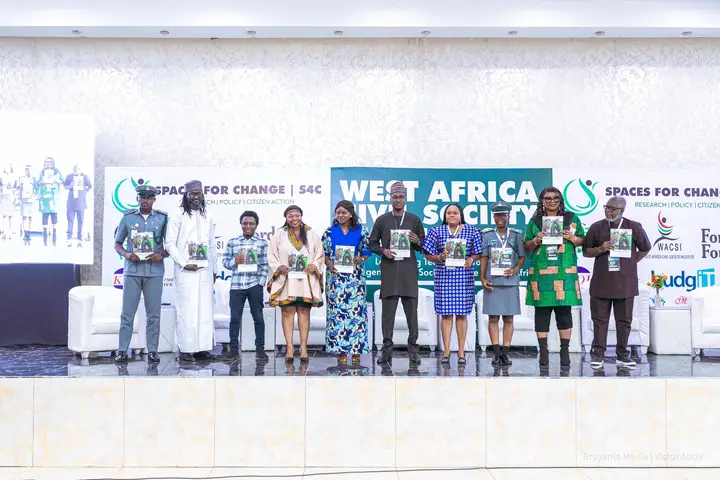
The advocacy group made the recommendation during a two-day Regional Multi-Stakeholder Governance Dialogue in Abuja.
Held under the theme “ECOWAS of the People: Strengthening Citizens Participation and Regional Integration through ECOSOCC Engagement in West Africa,” the forum focused on giving civil society a stronger voice in regional policy and governance.
Presenting the proposal, WADEMOS Advocacy Officer, Austin Aigbe, said ECOWAS must reconnect with citizens to strengthen its legitimacy across the region.
“The citizens still do not resonate with what ECOWAS does, despite the enormous work the regional bloc is doing. Until that connection is established, the legitimacy gap will remain.”Persecondnews correspondent quotes him as saying.
Aigbe emphasized that the proposed ECOSOCC would complement existing ECOWAS institutions by creating a structured platform for citizens to contribute to regional governance.
“ECOSOCC is not an anti-ECOWAS institution. It is a contributory organ that must be institutionalised to strengthen the visibility, legitimacy and effectiveness of ECOWAS by ensuring citizens’ voices are heard.”
He said the proposed institution should represent women, youth, labour unions, persons with disabilities, academia, faith-based organisations, professional bodies and the private sector.
“When we talk about an ECOWAS of the people, we are not talking about an ECOWAS of NGOs. We are talking about an ECOWAS of all non-state actors,” he said.
Also speaking, United Nations ECOSOCC expert Adekunle Lukman urged ECOWAS to draw lessons from successful international models while developing its own framework.
“We should not cut and paste the UN or European Union ECOSOC models, but we must adopt the best practices that promote meaningful citizen participation, accountability and regional development.”
Lukman said the proposed body should move beyond an advisory role and become an integral part of ECOWAS’ development architecture.
“I don’t think we should see ECOSOCC as merely advisory. Advice can be ignored. We should integrate it into ECOWAS’ development architecture so that citizens become part of shaping policies.”
He urged ECOWAS to establish transparent accreditation, regular dialogue with citizens and evidence based policy engagement to improve accountability and regional integration.
“Structured, inclusive and evidence-based engagement enables civil society to make meaningful contributions to policymaking. The question before us is: Are we ready to test an ECOWAS ECOSOCC?”
Persecondnews reports that the recommendations are expected to contribute to ongoing discussions on institutional reforms designed to make ECOWAS more inclusive, accountable and responsive to the needs of West African citizens.
Author






Leave a comment