









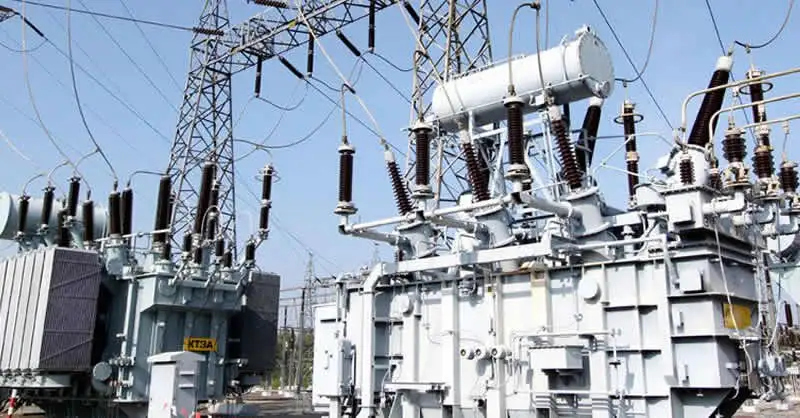



Nigeria’s power crisis intensified yesterday as generation plunged 11%, dropping from Monday’s 3,222MW to just 2,898MW.
According to data from the Nigerian Independent System Operator (NISO), this shortfall forced Distribution Companies (DisCos) to ramp up load shedding nationwide.
In a notice to stakeholders, NISO attributed the decline to persistent gas supply constraints currently crippling several thermal power plants.
NISO stated: “As at 05:00 hours of today, Thursday, 5th March 2026, total generation on the national grid stood at 3,940.53 MW, which was already below the expected capacity due to existing gas supply limitations impacting a number of generating stations.
“Between 06:00 hours and 08:00 hours, several generating units were forced to shut down as a result of inadequate gas supply to the plants.
“This resulted in a cumulative reduction of approximately 292 MW in available generation on the grid during the period”.
According to operational data as of 04 March 2026, it indicates that thermal power plants require approximately 1,588.61 million standard cubic feet (MMSCF) of gas per day to operate at optimal capacity.
However, actual gas supply to these stations was approximately 652.92MMSCF, representing about 41% of the gas required for optimal generation.
The operator also noted that the developments further reduced the total generation available for dispatch to the national grid and contributed to the current generation inadequacy being experienced across the system.
“NISO is actively working with the affected Generation Companies (GenCos) and relevant gas suppliers to closely monitor the situation and facilitate the restoration of generation as soon as gas supply to the affected plants stabilizes,” the statement said.
Meanwhile, power outages have hit Lagos metropolis with even “Band A” customers experiencing three to four hours of electricity supply daily or every other day.
Persecondnews reports that in Gbagada, Somolu, WAEC, Palmgroove and Ilupeju areas power rationing has been the order of the day.
Similarly, in Ogun and Oyo states, residents have been without light for several days.
Author










Leave a comment