















By Joycelyn Ellakeche Adah
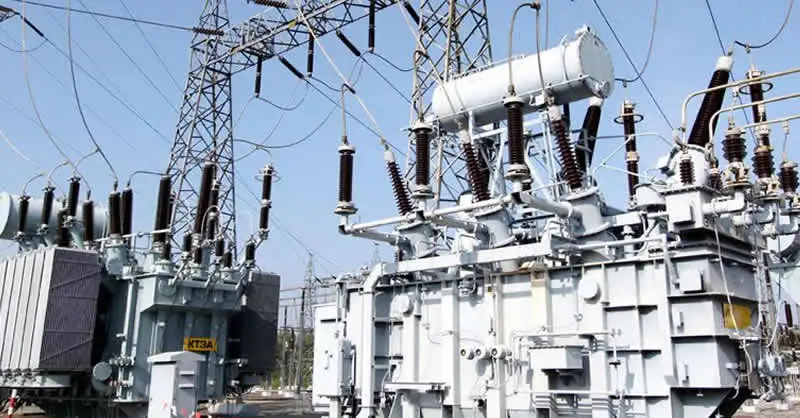
Nigeria’s electricity distribution companies recorded an average technical, commercial and collection loss of 36 per cent in the second quarter of 2026, more than double the 16.92 per cent target allowed by the Nigerian Electricity Regulatory Commission (NERC).
The figures highlight persistent inefficiencies in the electricity market, where substantial amounts of energy and revenue are lost before the sector can fully convert electricity supply into revenue.
NERC’s Q2 2026 operational and commercial performance report also showed that electricity distribution companies billed customers ₦744.67 billion during the quarter but collected ₦603.64 billion, leaving a difference of ₦141.03 billion between the amount billed and revenue collected.
The collection figure represents approximately 81 per cent of total billing, underscoring the continuing challenge of turning electricity sales into revenue needed to sustain operations across the power value chain.
The report recorded an average available generation capacity of 4,454.17 megawatts, while average hourly generation output stood at 4,022.40 megawatt hours per hour.
On metering, an additional 350,270 customers were metered during the quarter, a development that could improve billing accuracy and reduce estimated billing disputes if accompanied by effective implementation and monitoring.
The report also recorded ₦385.44 billion in settled invoices issued by the Nigerian Bulk Electricity Trading Plc and the Market Operator, reflecting financial transactions within the electricity market.
Meanwhile, NERC issued 64 regulatory instruments during the period, highlighting its continued regulatory activity across the industry.
The figures point to a power sector facing challenges on multiple fronts, from generation and customer metering to revenue collection and distribution efficiency.
While additional metering and regulatory interventions remain important, the gap between actual distribution losses and the approved target raises questions about how quickly distribution companies can improve performance, strengthen revenue collection and support a more financially sustainable electricity market.
Author








Leave a comment