













Nigeria’s domestic debt stock has surged to N66.957 trillion in the first half of 2024, representing an 8.74 percent increase from N61.578 trillion at the end of Q1, according to the Debt Management Office (DMO).
This significant rise is attributed to the government’s urgent need to finance the economy, driven by a substantial budget deficit forecast of N9.1 trillion, equivalent to approximately 3.8 percent of GDP.
Persecondnews reports that the budget deficit has exceeded initial projections, with a supplementary budget of N6.2 trillion introduced later in the year.
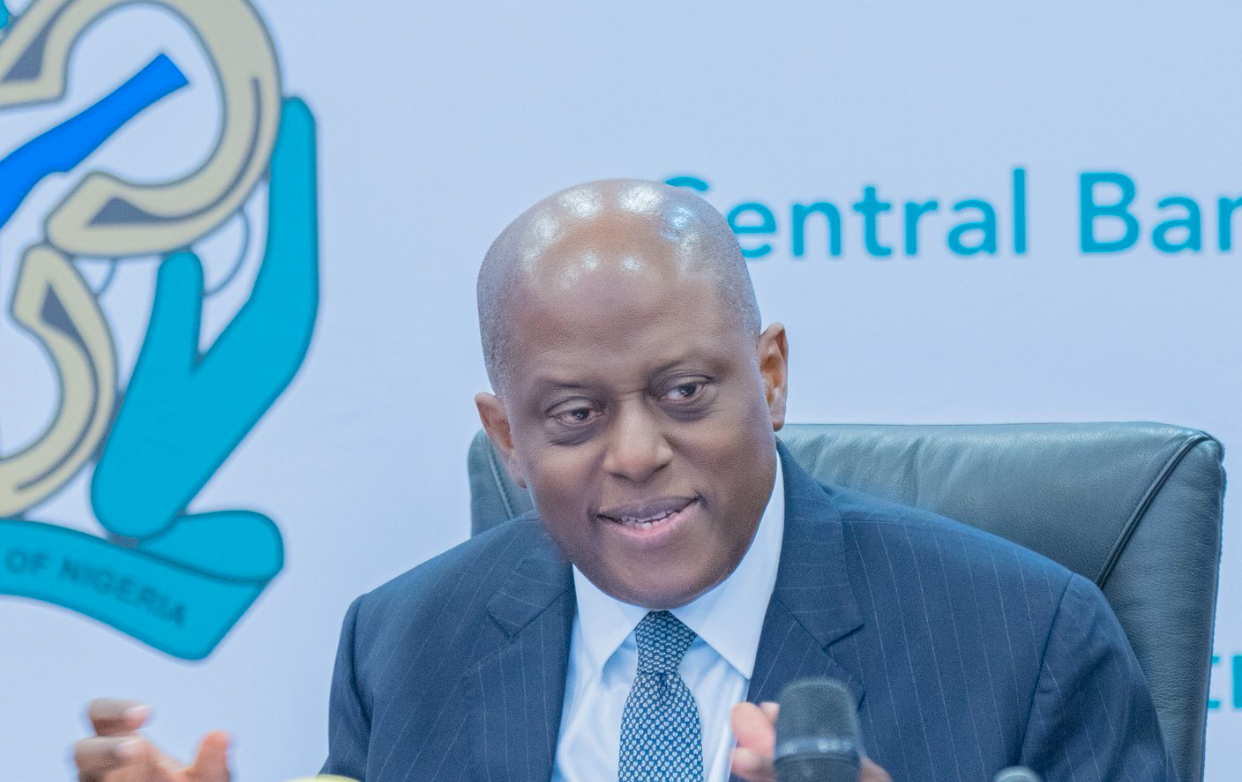
Additionally, the Central Bank of Nigeria’s (CBN) strategy to curb inflation by reducing excess money in circulation has contributed to the increase in debt stock.
The CBN has continuously raised the monetary policy rate, providing an incentive for investors to purchase government securities considered risk-free and offering tax-exempt returns.
FGN bonds remain the dominant debt instrument, accounting for N52.315 trillion, or 78.13 percent, of the total domestic debt as of June 2024.
Nigerian Treasury Bills (NTBs) follow as the second-largest contributor, with a total debt stock of N11.808 trillion, comprising 17.64 percent of the domestic debt stock. Other instruments include Promissory Notes, FGN Savings Bonds, FGN Sukuk, and Green Bonds.
The federal government is prepared to increase domestic borrowing in the coming quarters due to rising deficits.
The introduction of additional debt instruments, such as the ‘domestic dollar bond, in Q3 2024 is likely to increase domestic debt levels further.
Investors can expect higher returns on debt instruments as the CBN continues to increase the monetary policy rate in response to inflationary pressures.
The increasing cost of debt servicing and growing reliance on domestic markets for fiscal financing underscore the need for prudent debt management.
The DMO’s efforts to diversify the country’s debt portfolio and reduce reliance on domestic borrowing will be crucial in mitigating the risks associated with Nigeria’s rising debt profile.
Author












Leave a comment