





FeaturedHighlight

Global Wealth Grew 66% Between 1995 and 2014- World Bank

1.4k

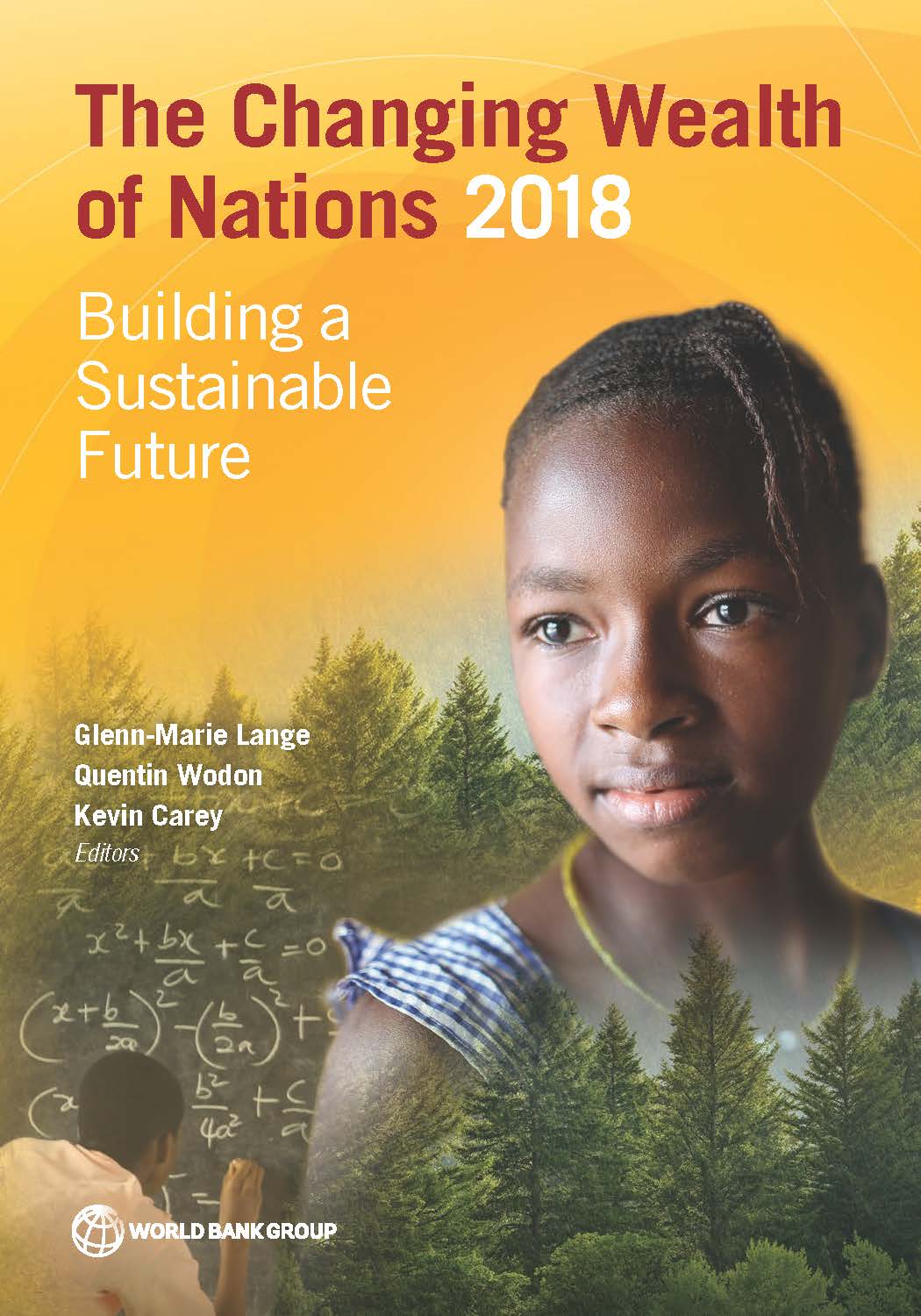
Global wealth grew significantly over the past two decades but per capita wealth declined or stagnated in more than two dozen countries in various income brackets, says a new World Bank report.

The report said global wealth grew by 66% between 1995 and 2014 to a total of over 1,140 Trillion dollars.

Going beyond traditional measures such as GDP, the report uses wealth to monitor countries’ economic progress and sustainability.

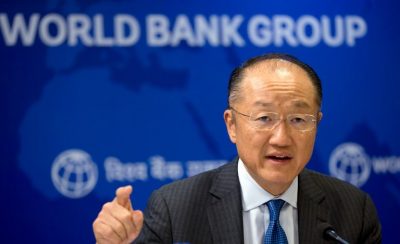
“By building and fostering human and natural capital, countries around the world can bolster wealth and grow stronger, said  World Bank Group President Jim Yong Kim.

The World Bank Group is accelerating its effort to help countries invest more – and more effectively – in their people, he said.

“There cannot be sustained and reliable development if we don’t consider human capital as the largest component of the wealth of nations.”

The Changing Wealth of Nations 2018 tracks the wealth of 141 countries between 1995 and 2014 by aggregating natural capital (such as forests and minerals), human capital (earnings over a person’s lifetime); produced capital (buildings, infrastructure, etc.) and net foreign assets. Human capital was the largest component of wealth overall while natural capital made up nearly half of wealth in low-income countries, the report found.
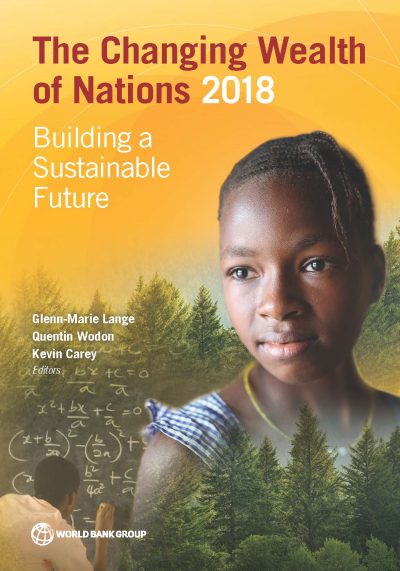
In the report cited by Per Second News on Tuesday, richer countries clearly have greater wealth per person than low- income countries, but development and the composition of national wealth are strongly related. The share of natural capital gradually declines as countries graduate from low- to middle- and high-income status.

The report also said despite growth in agricultural assets in Sub-Saharan Africa, growth did not keep pace with population growth in a large number of countries, and per capita agricultural land value declined. These are countries where significant numbers of people rely on agriculture for livelihoods, such as Cote d’Ivoire, Nigeria, Tanzania, and Zambia. By contrast, signi cant gains were achieved in countries such as Ethiopia, Mozambique, Namibia, and Uganda.
“Sub- Saharan Africa as a whole has been affected by a decline in total wealth per capita from losses in a few large countries, as well as high rates of population growth in most countries that dilute the benefits from growth

in wealth. The challenge for Sub-Saharan Africa in the next decade will be to harness the bene ts of the demographic dividend so that standards of living can rise more rapidly without depleting natural capital. Doing so will require substantial investments in all assets, especially in the human capital needed for growth.

 

Leave a comment

Related Articles

Bonga FPSO Shutdown for Maintenance, Nigeria’s Oil Output to be Affected

Shell Nigeria Exploration and Production Company (SNEPCo) has announced the shutdown of...

Traders Count Losses as Fresh Fire Ravages Kano’s Singa Market

Barely two months after a crippling fire outbreak, Singa Market in Kano...

Tragedy in Abuja: Rising Music Star Ifunanya Dies After Snake Bite

A bright light in Nigeria’s music scene has been extinguished. Ifunanya Nwangene,...

Ademola Lookman Set to Join Atlético Madrid in €40m Deal

Nigerian forward Ademola Lookman is poised to join Atlético Madrid in a...

Ogun Gov. Abiodun to Unveil State-Owned DisCo, New World Bank-Power Projects, Mini-grids

Ogun State is gearing up for a major power boost with the...

Kano Secures ₦1trn Rail Project After Governor’s High-Profile Defection to APC

Barely 48 hours after joining the ruling All Progressives Congress (APC), Kano...

Emefiele’s Trial: Ex-CBN Director Admits to $2.5m ‘Gift’ Linked to $6.2m Election Logistics Fund

Bashirudeen Maishanu, a former Deputy Director of Banking Supervision at the Central...

“Selective Payouts”: Dozens of ‘Concerned’ Lawyers Demonstrate at Finance Ministry, Abuja

Lawyers representing the Concerned Lawyers for Probity and Justice protested at the...

Historic Milestone: Sarah Mullally Confirmed As First Female Archbishop of Canterbury

History was formally etched into the foundations of the Church of England...

17 Days to Go: Access Bank Lagos City Marathon Unveils Key Details

With the 2026 Access Bank Lagos City Marathon just 17 days away,...

FG to Recall Military Retirees to Secure High-Risk “Ungoverned Spaces”

The Federal Government has launched a strategic initiative to deploy military veterans...

Boardroom Titan, Business Mogul Otunba Adekunle Ojora Exits

Renowned Lagos patriarch Otunba Adekunle Ojora has died at 93. The Olori...

FCTA Strike: NLC Defies Court Order, Tells Workers to Continue Action

The Nigeria Labour Congress (NLC) has signaled its intent to continue industrial...

Alleged Coup: Military Can’t Try Treason Under Armed Forces Act – Frank Tietie

Abuja-based human rights lawyer Frank Tietie has cautioned that the Nigerian military...

Court Ruling: Return to Work or Face Consequences – FCT Minister Wike

Following a court-ordered end to the FCTA workers strike, Minister Nyesom Wike...

ECOWAS: Halting A Drift Towards Disintegration and Looming Civil War in Guinea-Bissau

by Paul Ejime More than 50 years after its formation, the Economic...

Total Blackout: National Grid Fails for Second Time in 96 Hours

For the second time in just four days, Nigeria’s national grid suffered...

Unions, CSOs to NAFDAC: Lift the Sachet Alcohol Ban or Face a Shutdown

Stakeholders in the food and beverage industry are escalating their opposition to...

Sunday Igboho Ends 4-Year Self-Exile, Returns to Ibadan

After about four years in self-imposed exile, Yoruba Nation activist Chief Sunday...

“Wike Must Go’ Chants Echo as FCTA Workers Protest at Abuja Court

Federal Capital Territory Administration (FCTA) workers, backed by the Nigeria Labour Congress...